
 Solitaire
 Hello
Hello
 Paved
Paved
 You and I
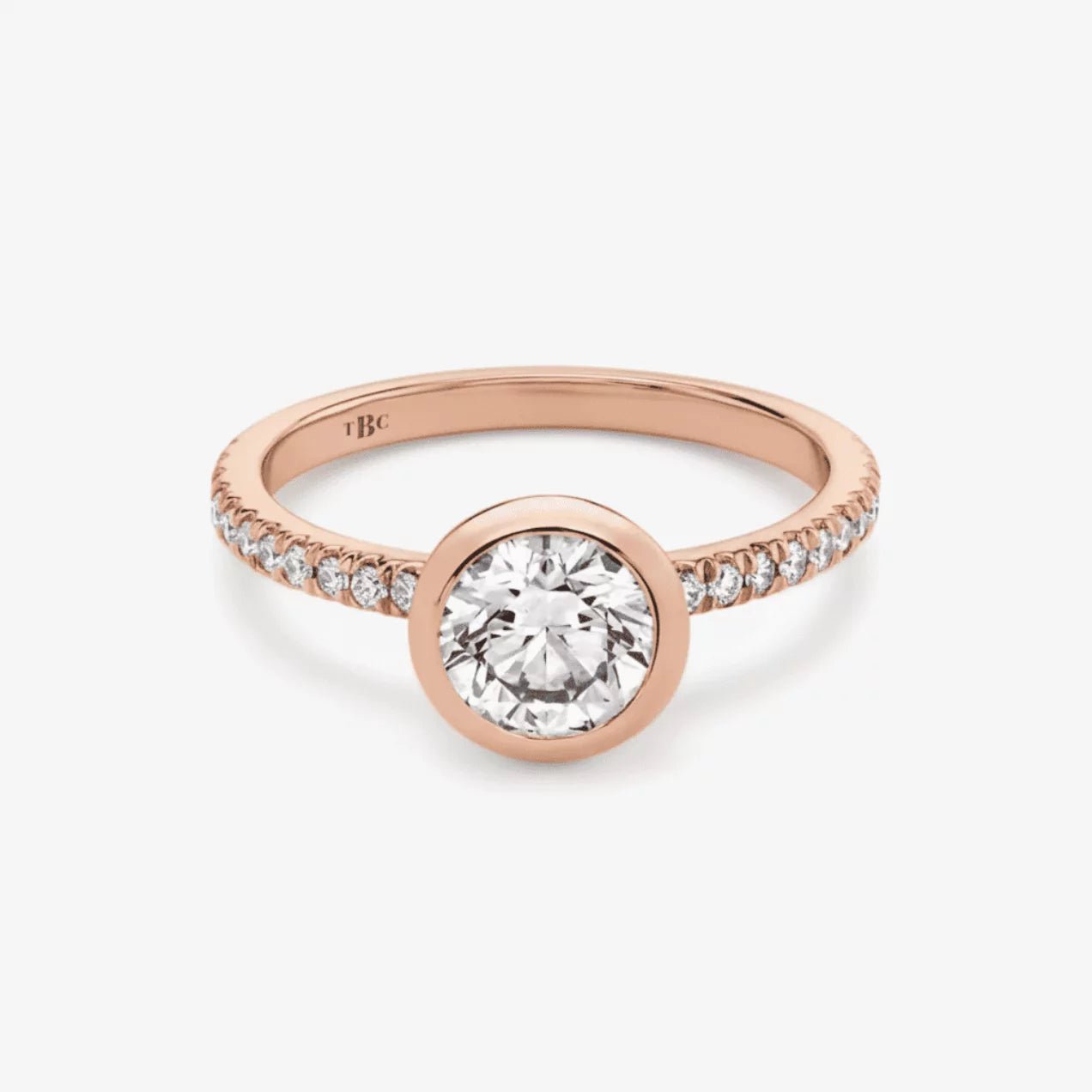
 Bezel/Setting
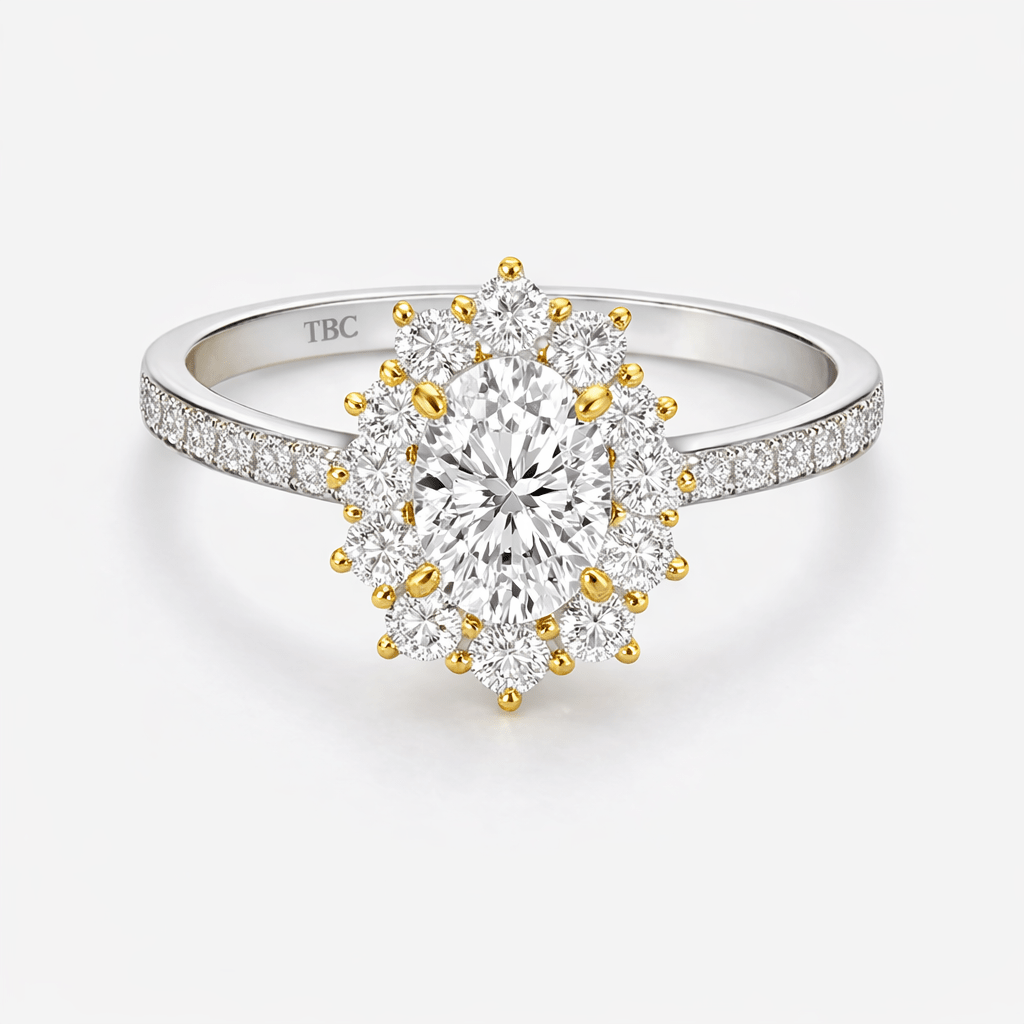
 Vintage
 Three diamonds
 Diamond eternity band
 Other Gems
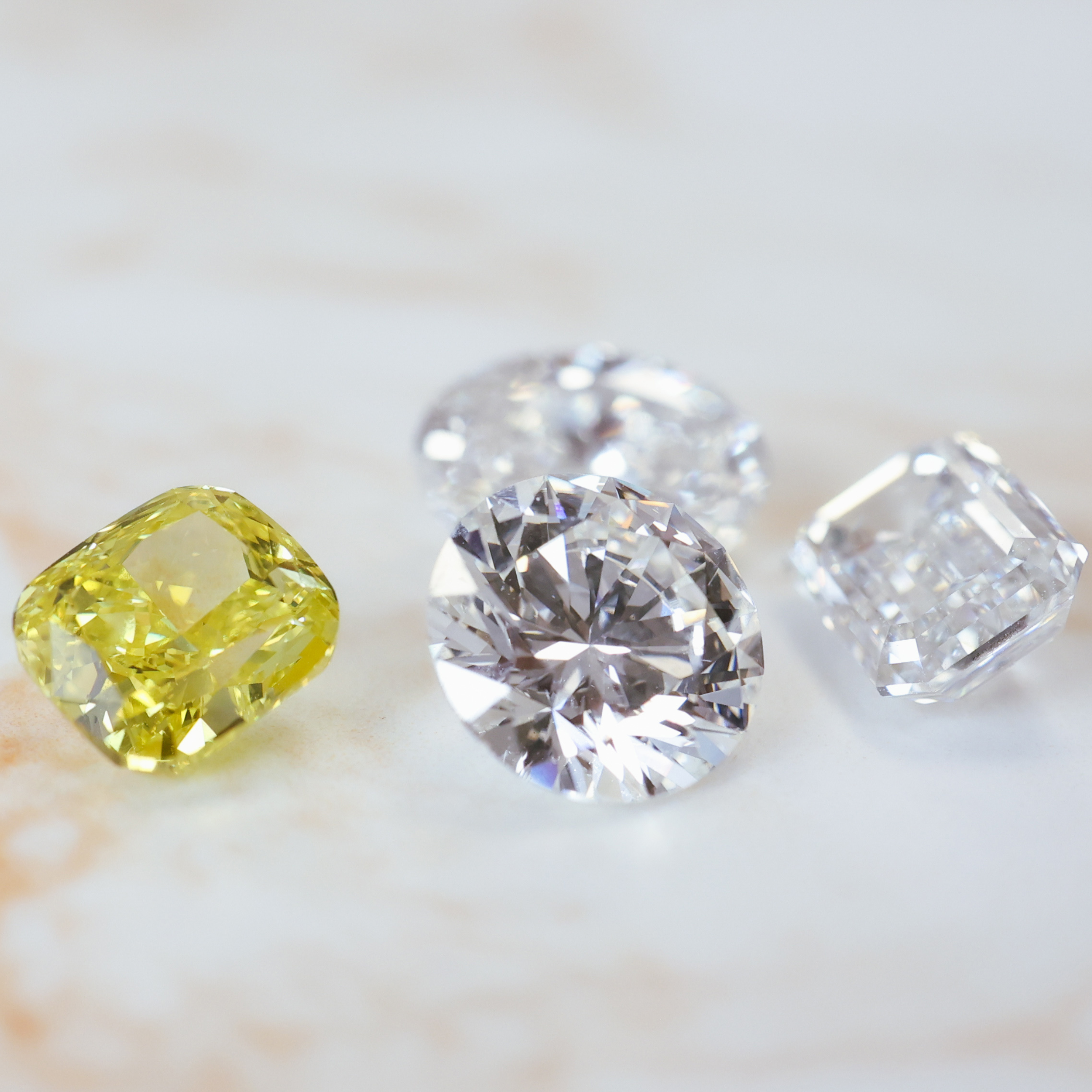
 Round
Round
 Emerald
 Oval
Oval
 Pear
Pear
 Marquess
 Cushion
 Radiant
 18k White Gold
 18K Yellow Gold
 18K Rose Gold
 18k Yellow Gold and White Gold

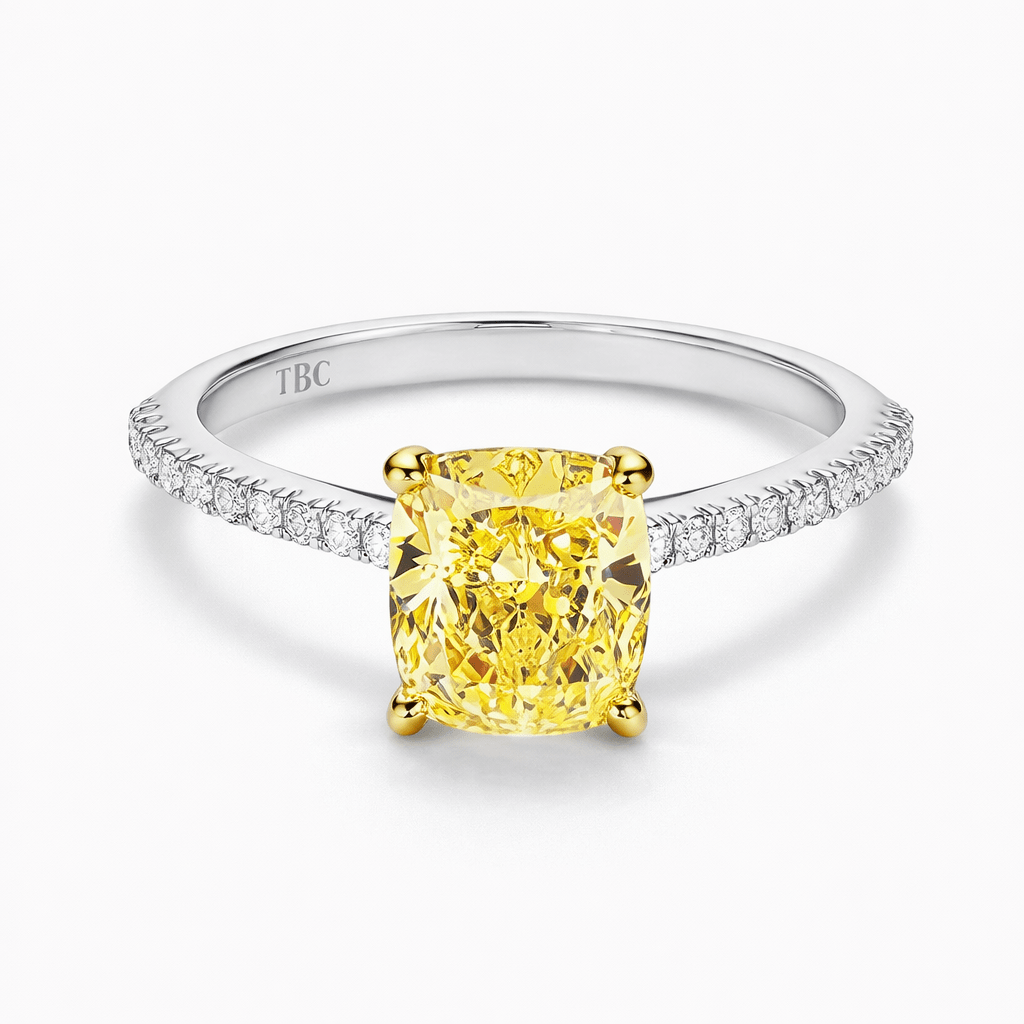
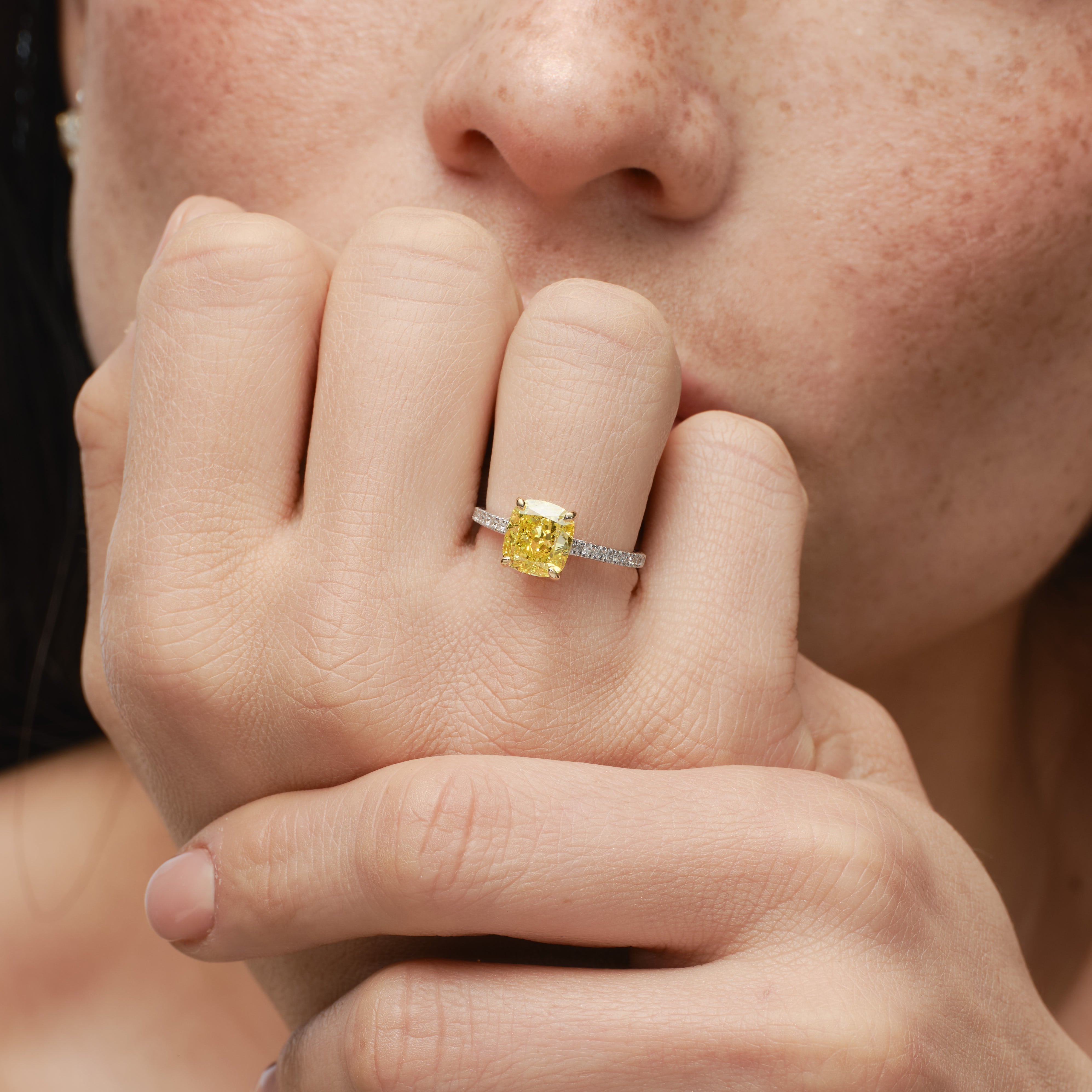
Pave Engagement Rings
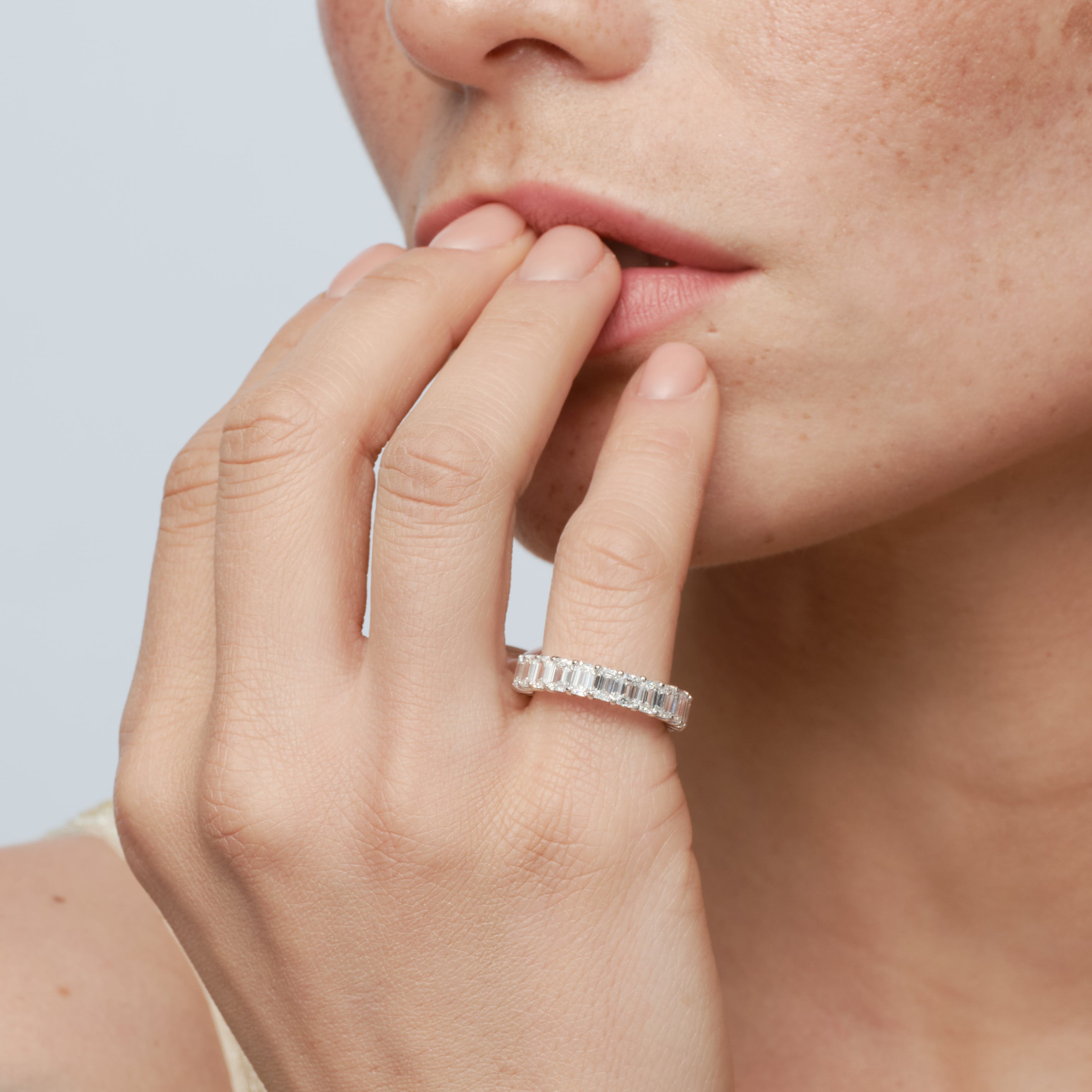
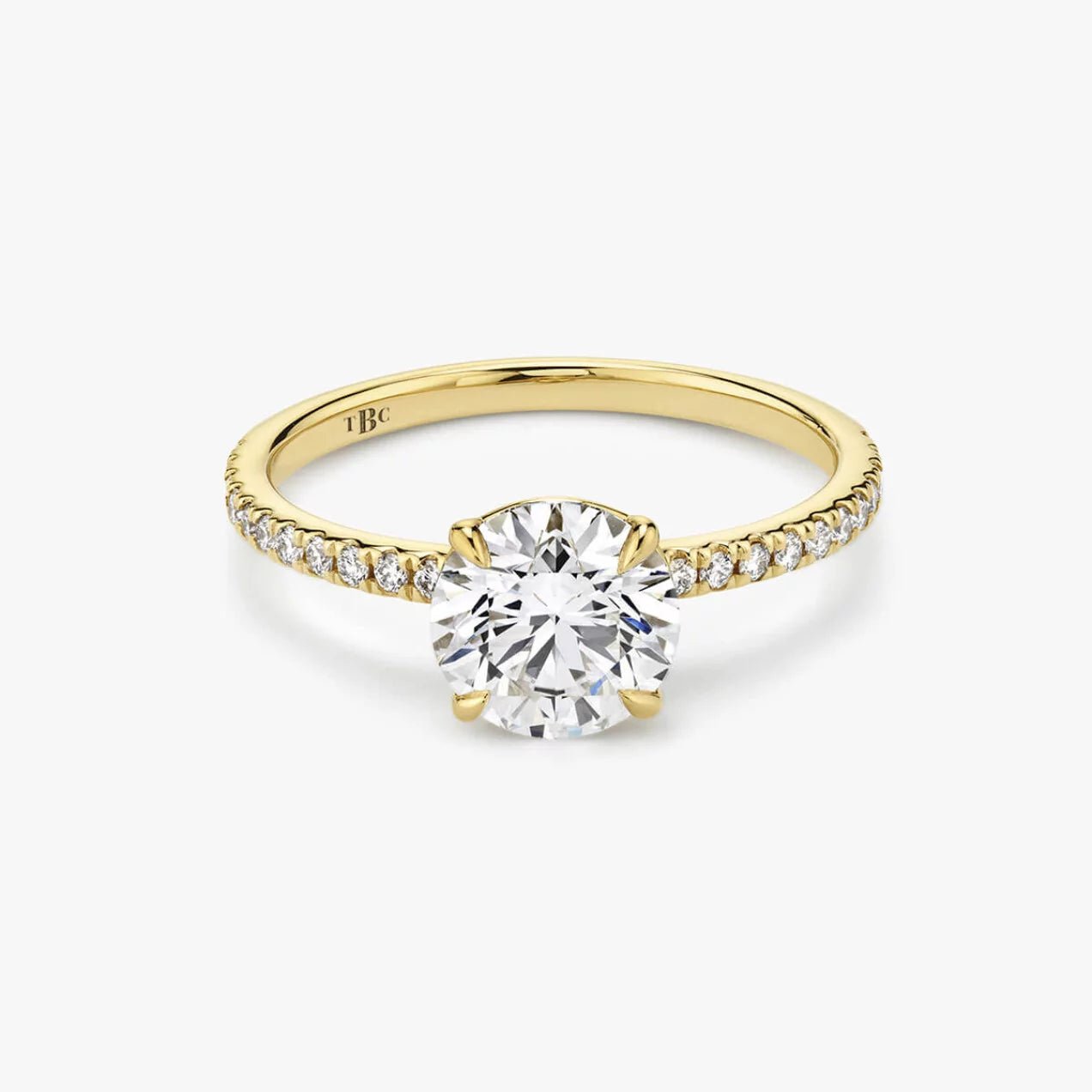
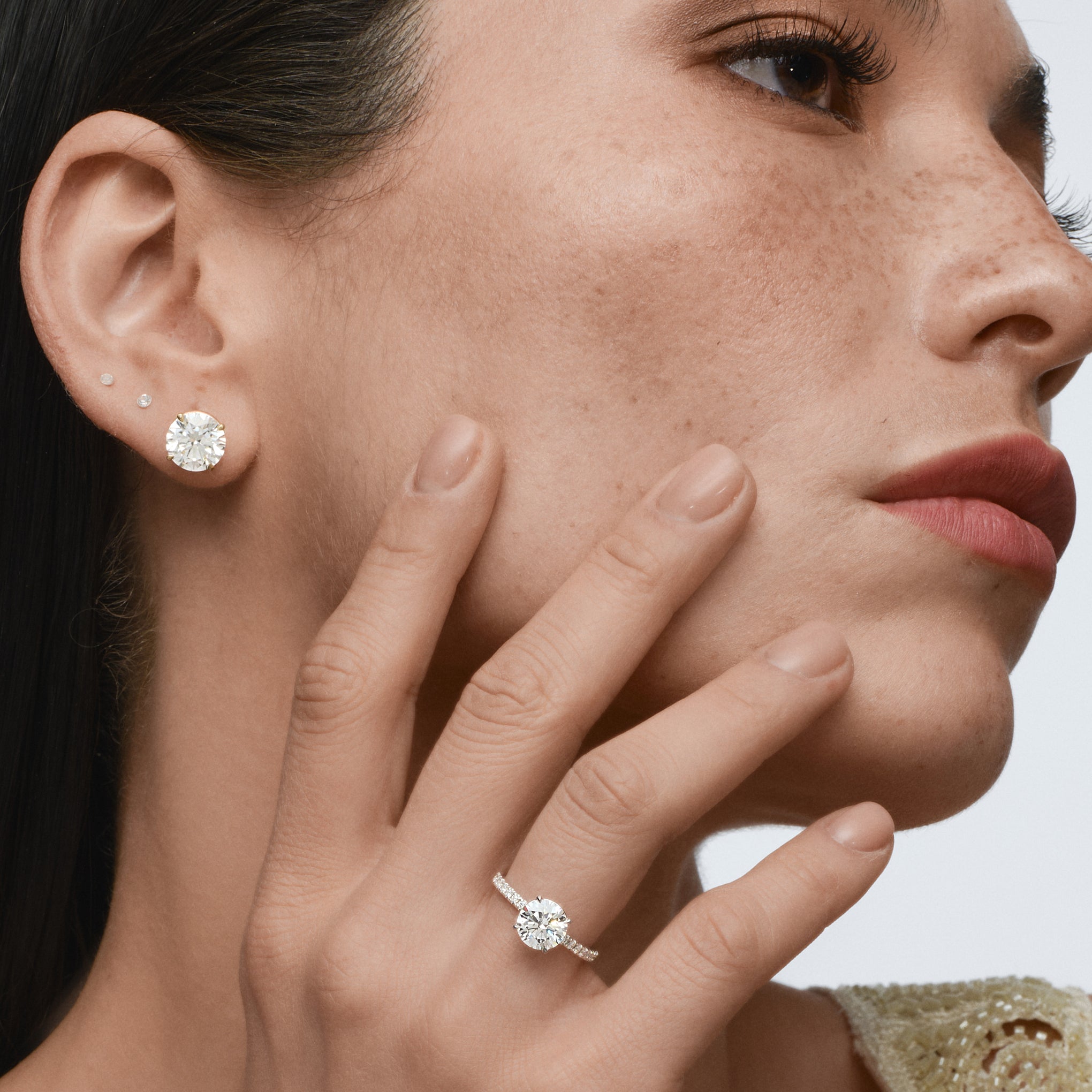
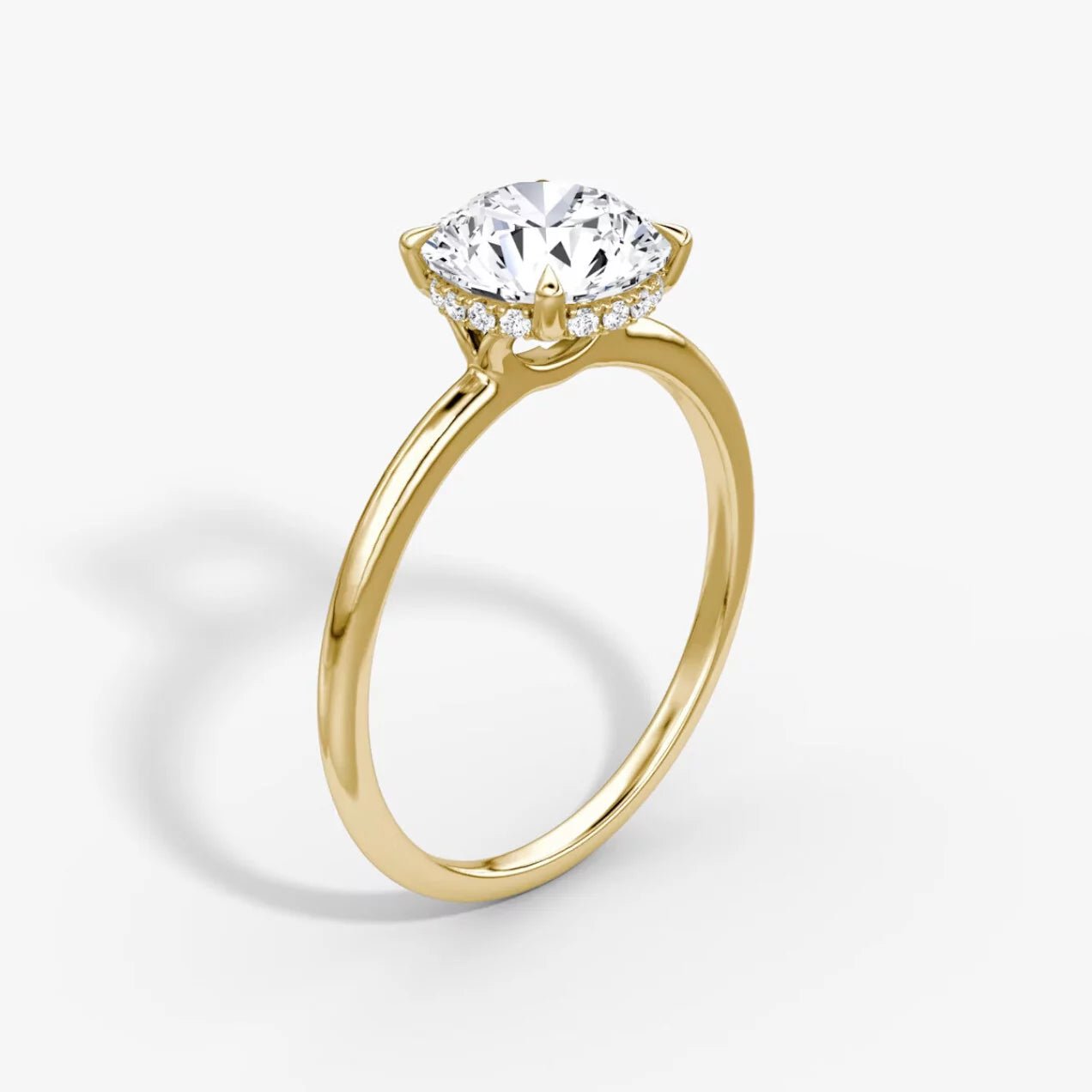
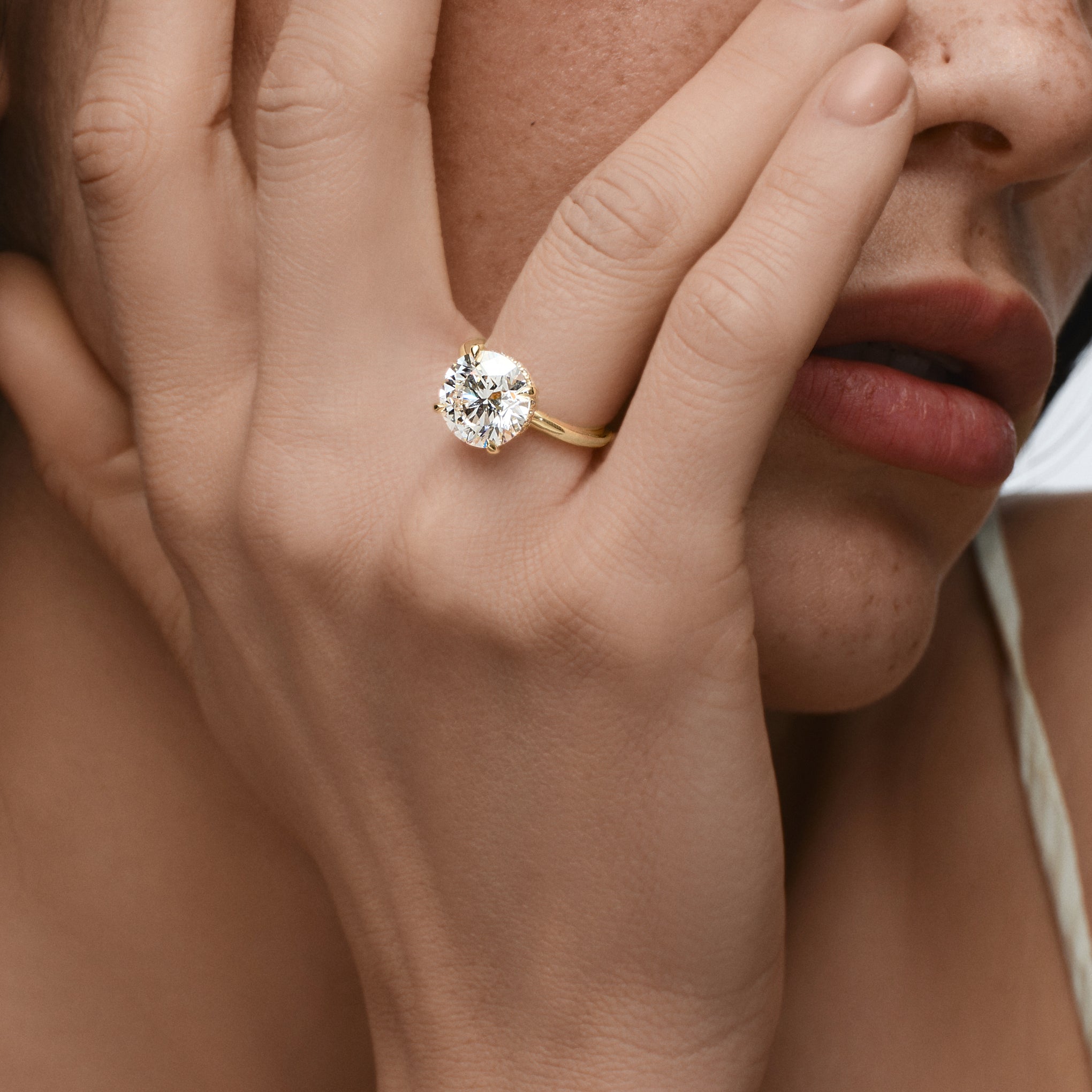
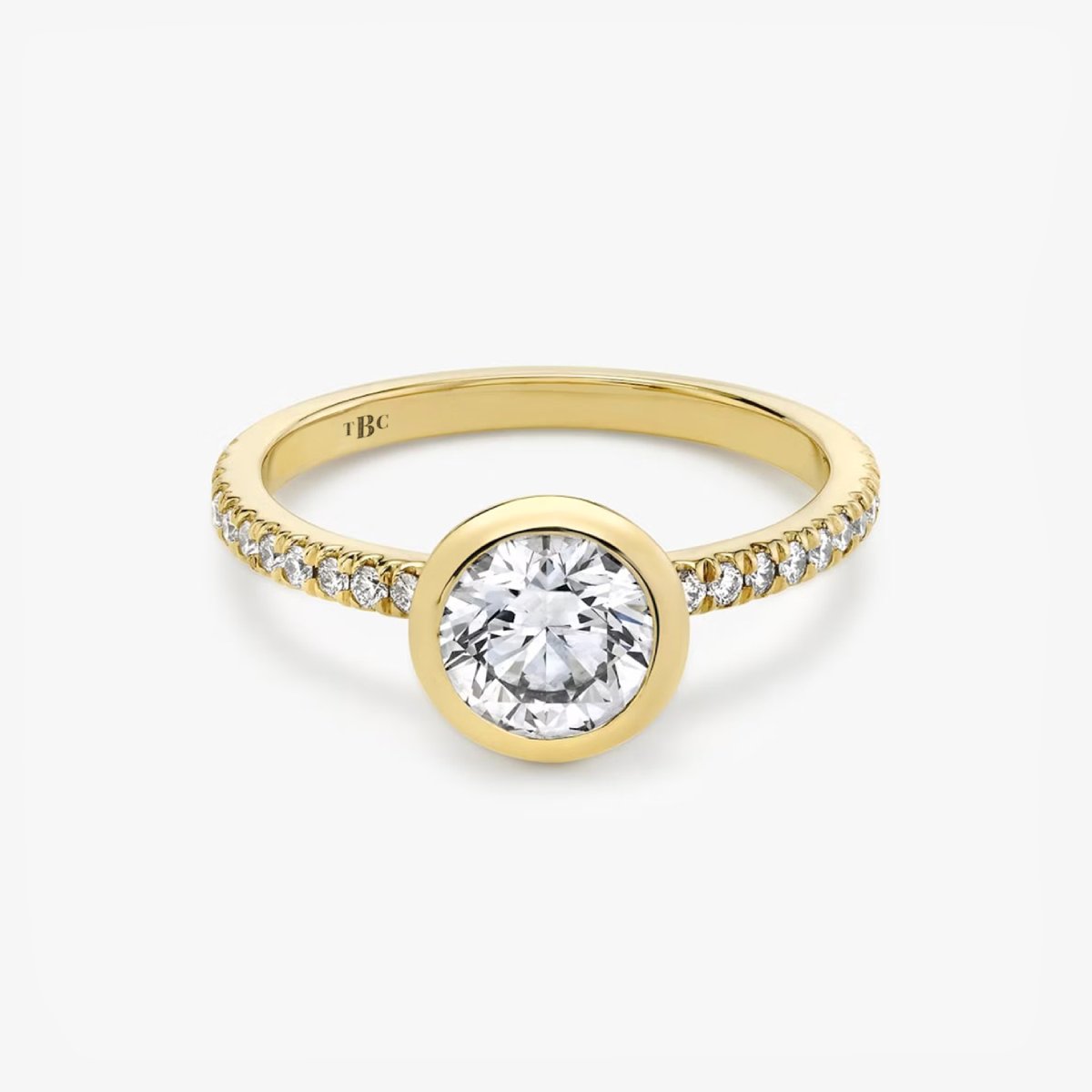
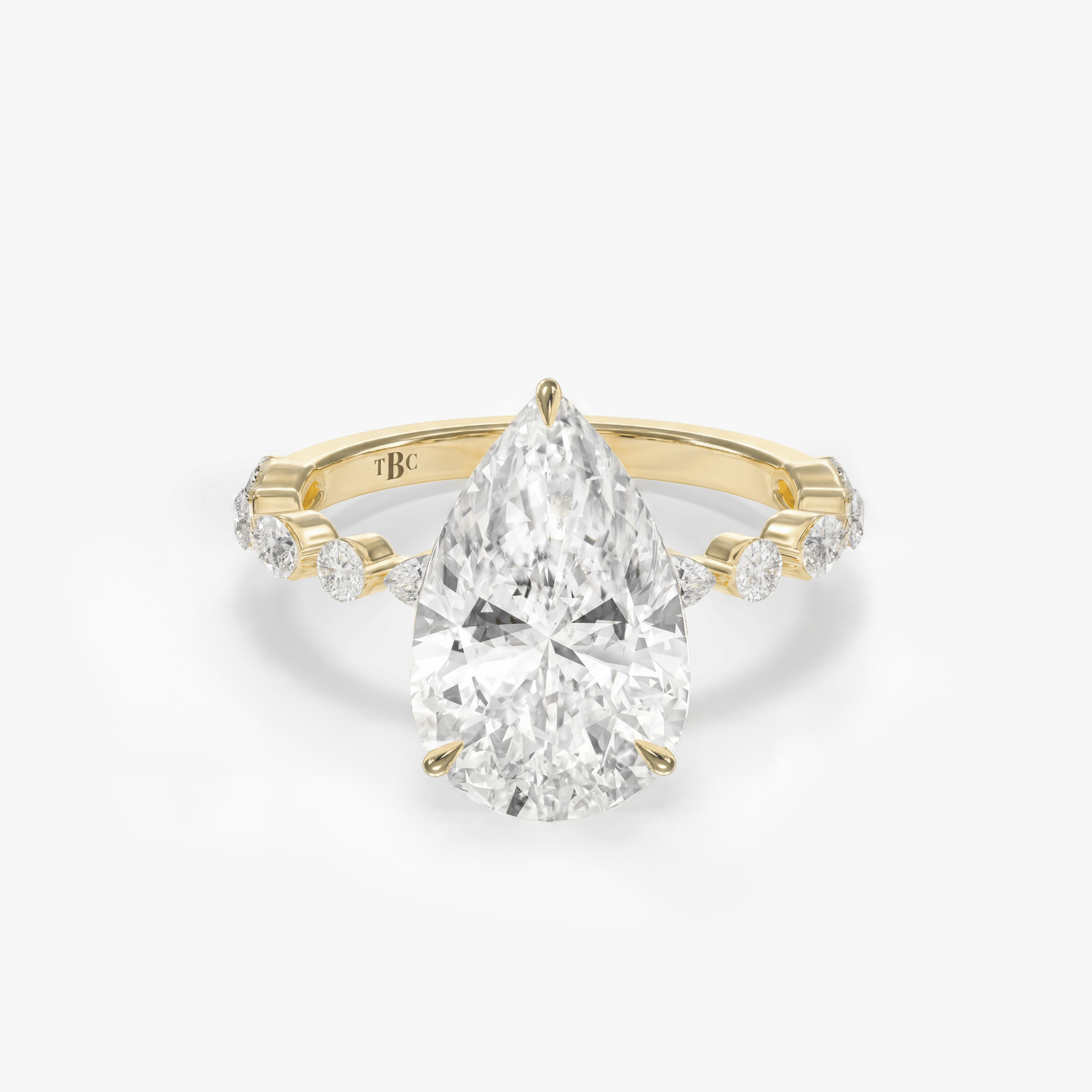
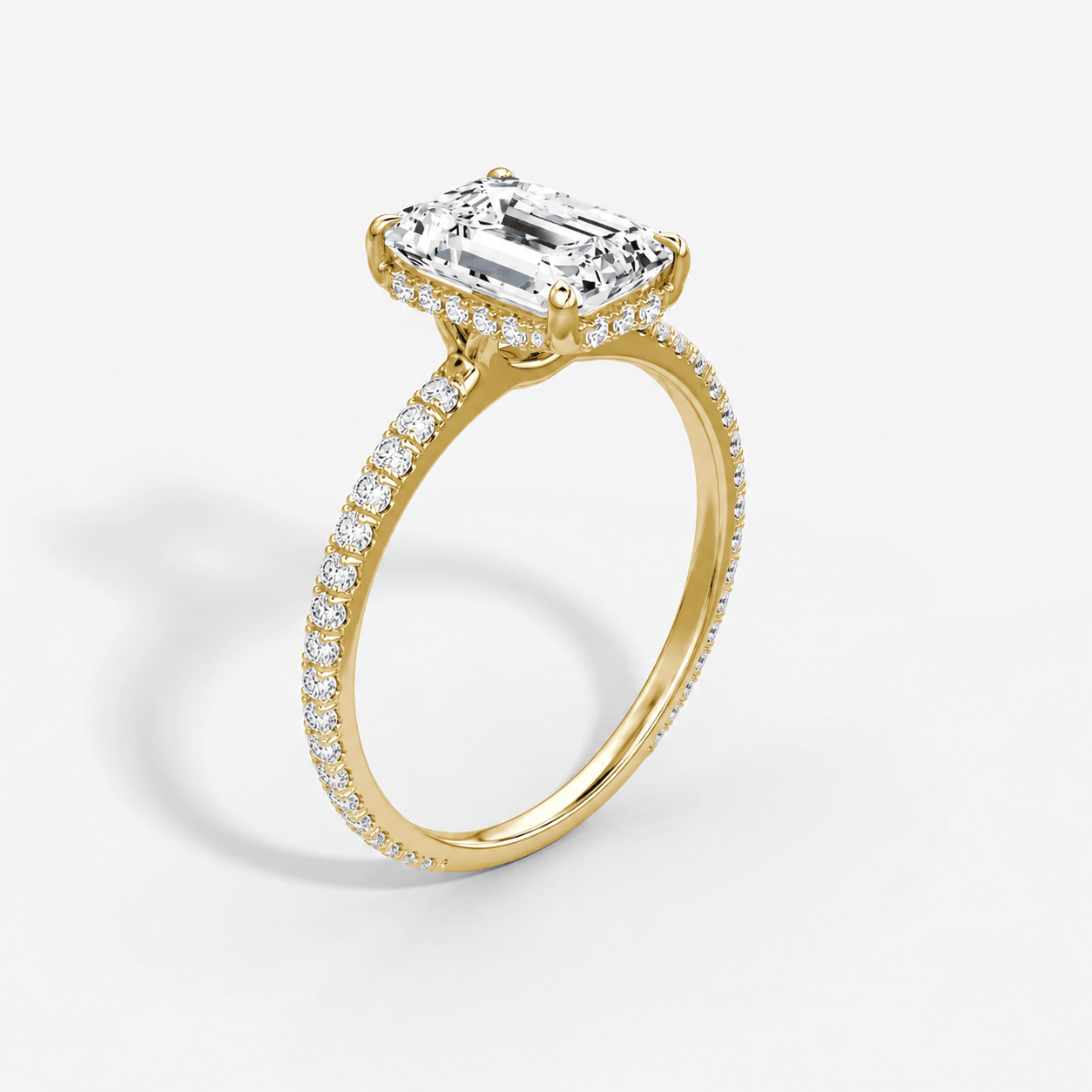
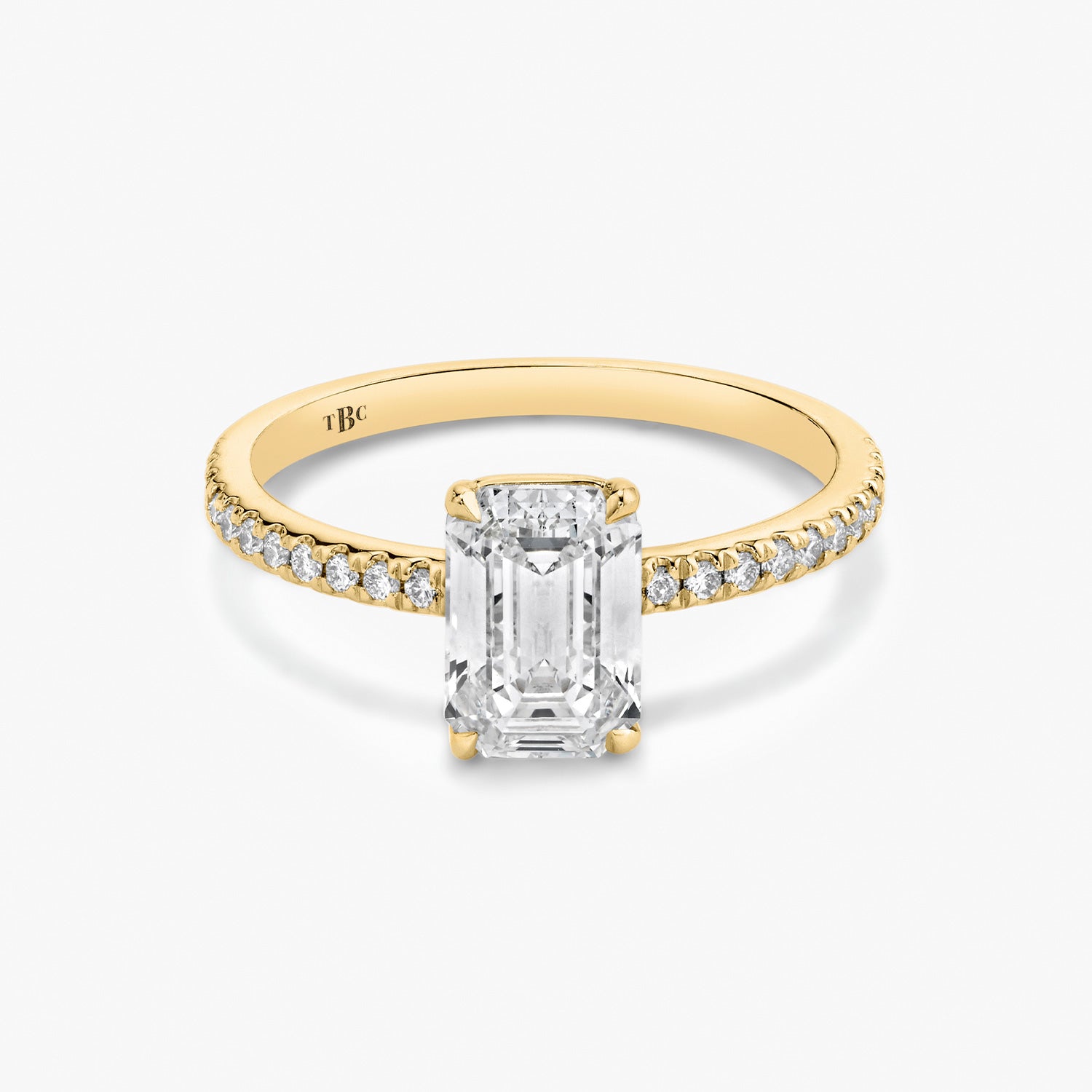
The pavé engagement ring is the choice for those who want the sparkle to do all the talking.
At The Bright Club, we design pavé engagement rings with lab-grown diamonds in 18k white or yellow gold,
so that every detail is up to the moment.




Categorías relacionadas
What is pavé setting in an engagement ring
Guide to choosing your diamond engagement ring
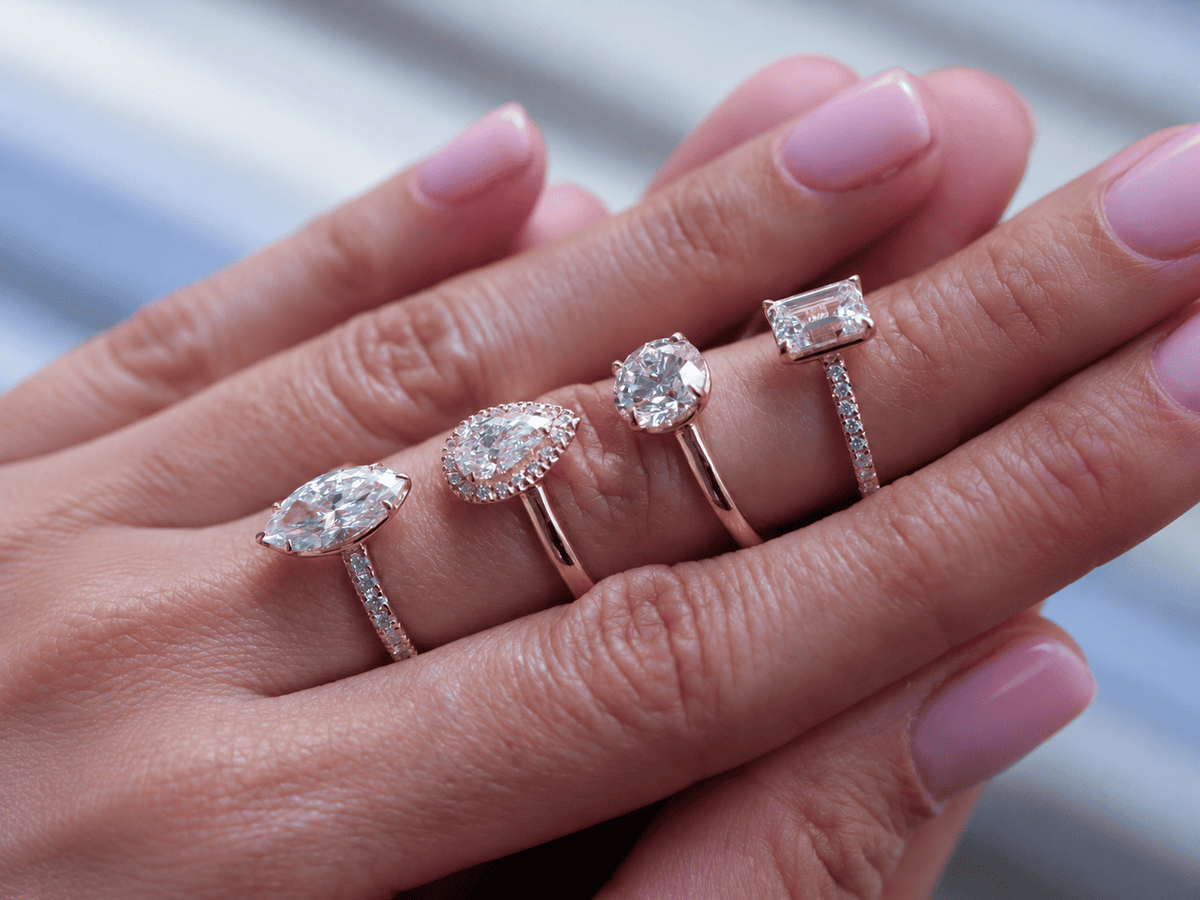
Engagement rings: real prices and what you need to know before buying
When someone starts looking for an engagement ring, one of the first questions is: how much does an engagement ring really cost? It is also one of the hardest to answer, because it does not depend ...
Read more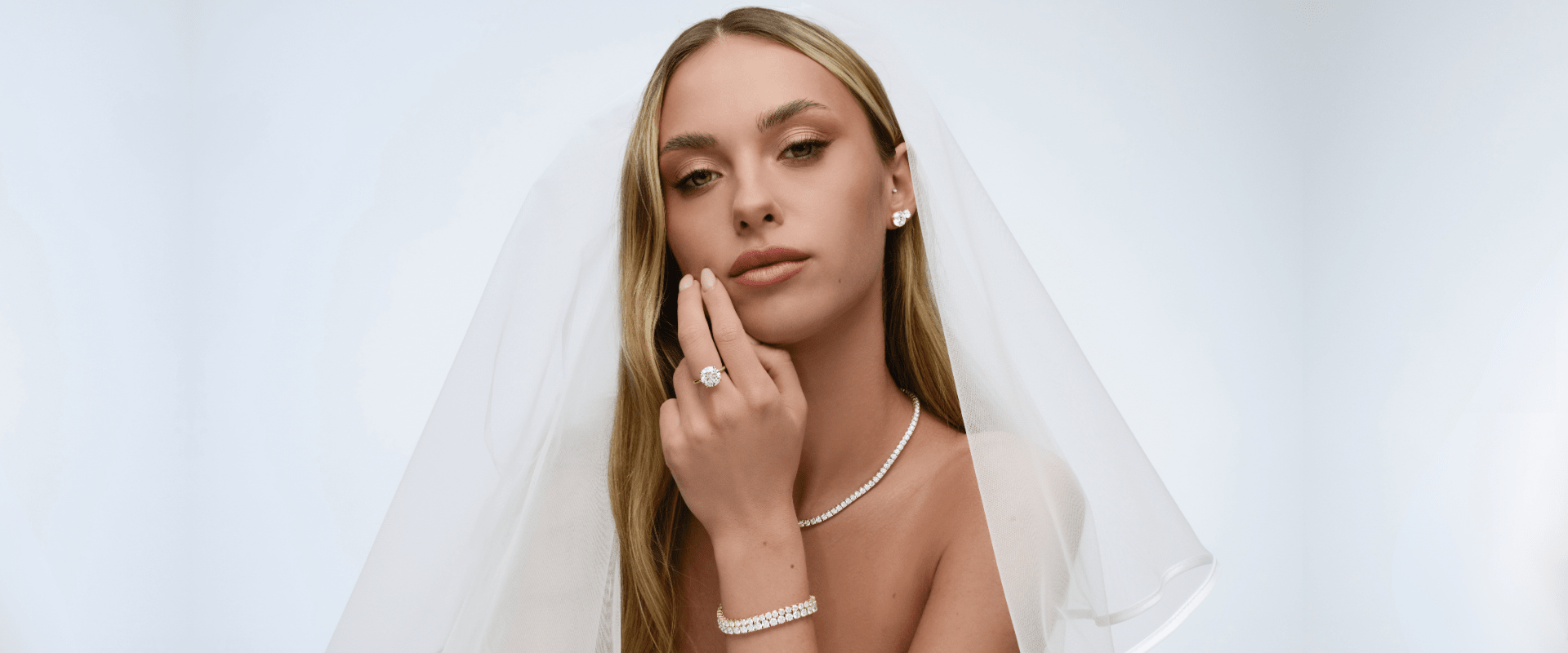
Types of engagement rings and how to choose the one that truly represents you as a couple
There are decisions that are made only once in a lifetime, and choosing the engagement ring is one of them. It's not just about picking a beautiful piece of jewelry: it's about finding a piece that...
Read more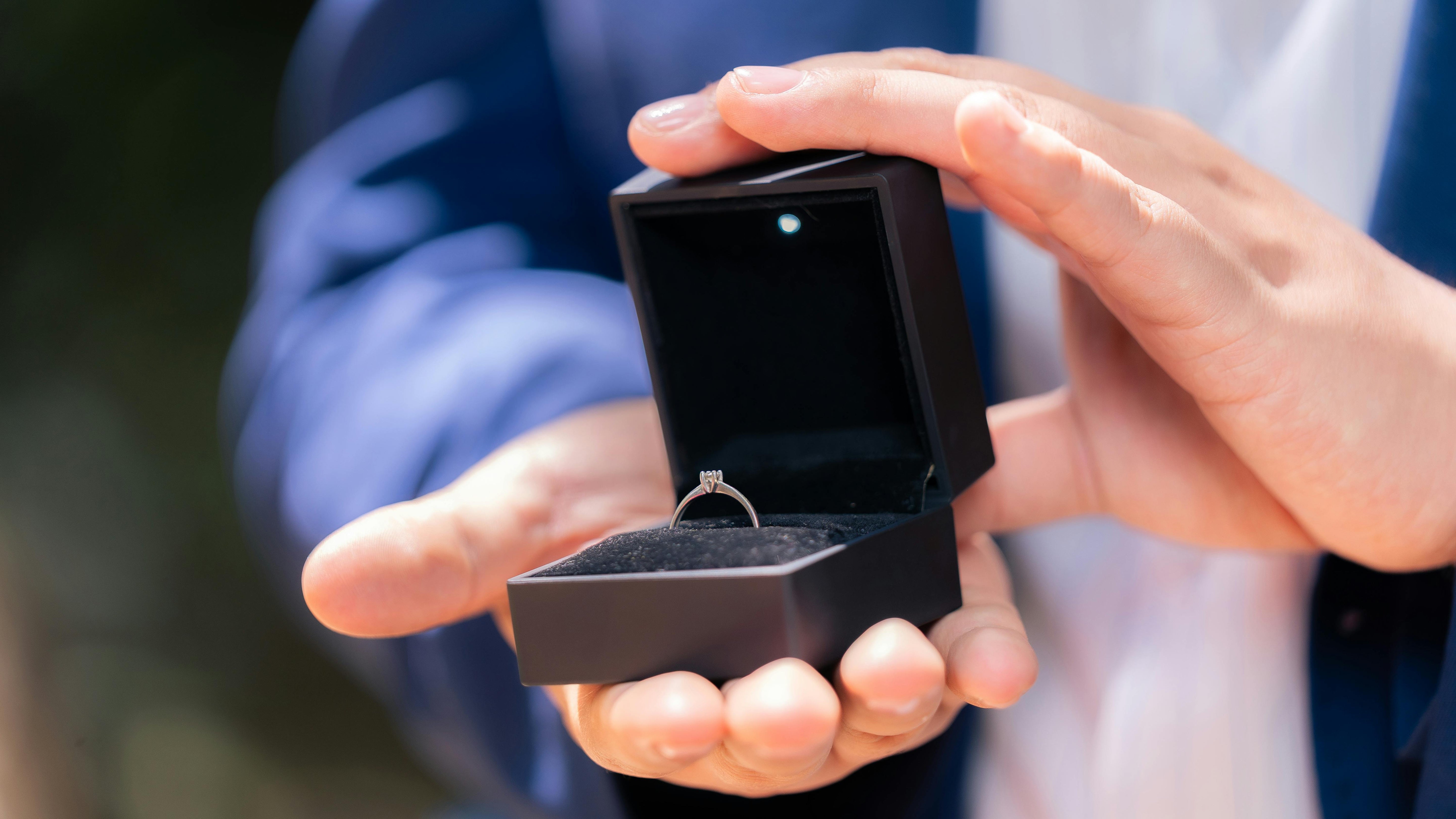
Men's engagement rings and how to choose the right one
The tradition of men's engagement rings is changing. What was once considered exclusively feminine, is now an essential part of modern marriage proposals, where both members of the couple wear a pi...
Read moreFAQs About Pavé Engagement Rings
Semi-pavé rings are easier to adjust. Full pavé rings require greater precision, though it is possible. Before confirming your order, we can help you verify your size with our at-home measurement guide.
It depends on the design. Generally, the sum of the diamonds on the band of a standard pavé ring ranges from 0.20 to 0.50 ct in addition to the center stone. We indicate the total carat weight on each product page.
Yes. Being physically identical, they reflect light in the same way. There is no perceptible visual difference between a lab-grown diamond and a natural one with the same characteristics.
All The Bright Club engagement rings are customizable: shape and carat weight of the center stone, type of metal, length of the pavé (half-pavé or full), and finish of the band. Write to us and we'll guide you through the process.
The standard lead time is 30 days from order confirmation. If you have a specific date, please let us know and we will manage it with sufficient time.

