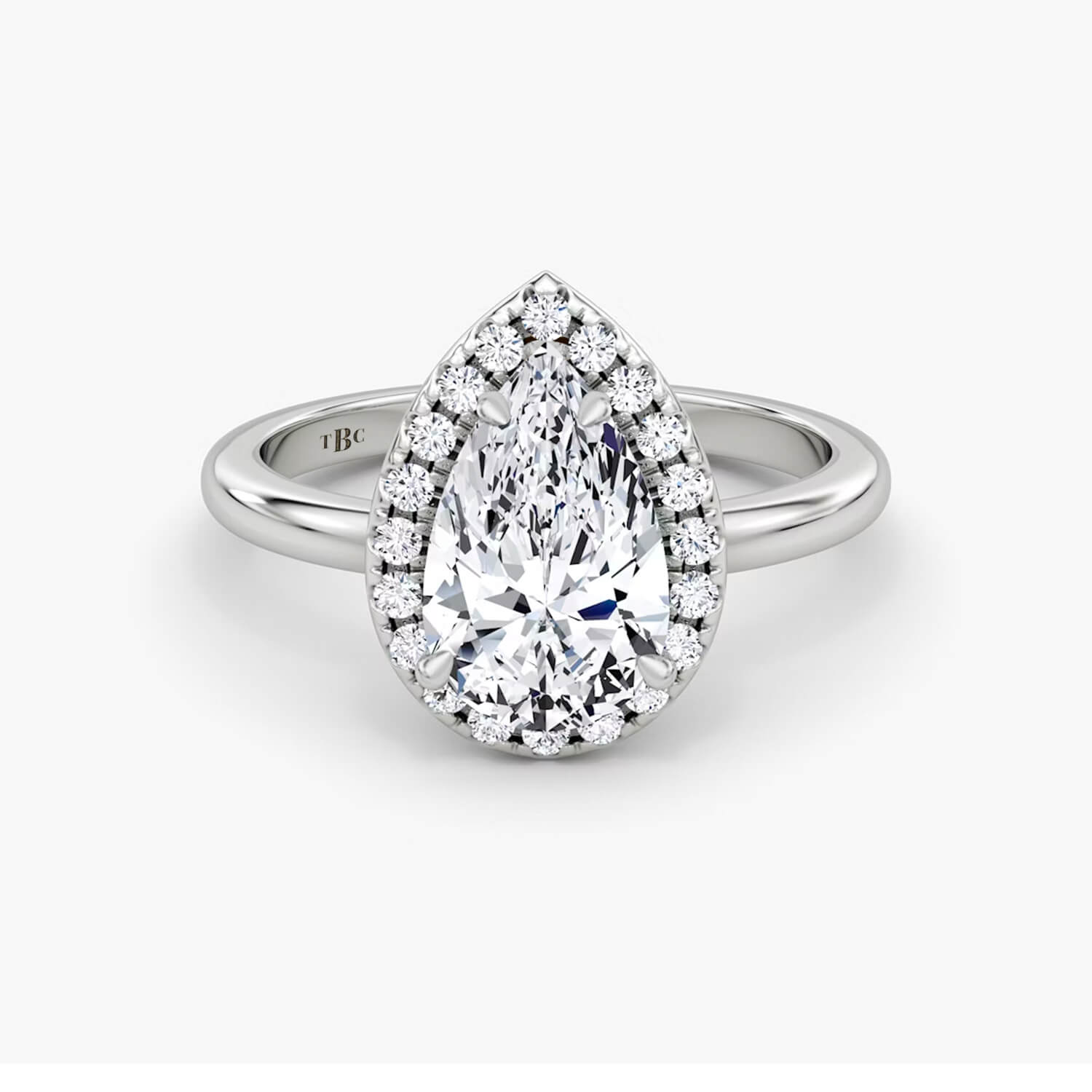
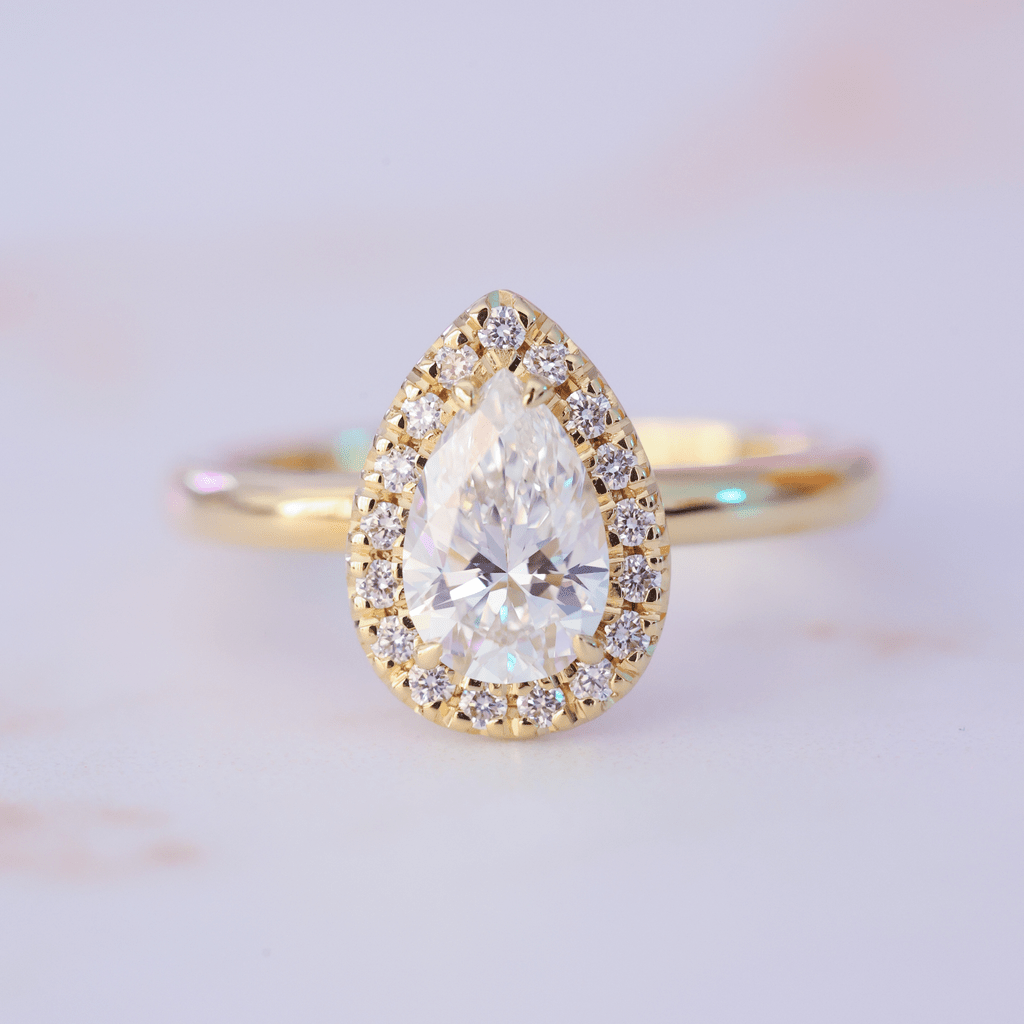
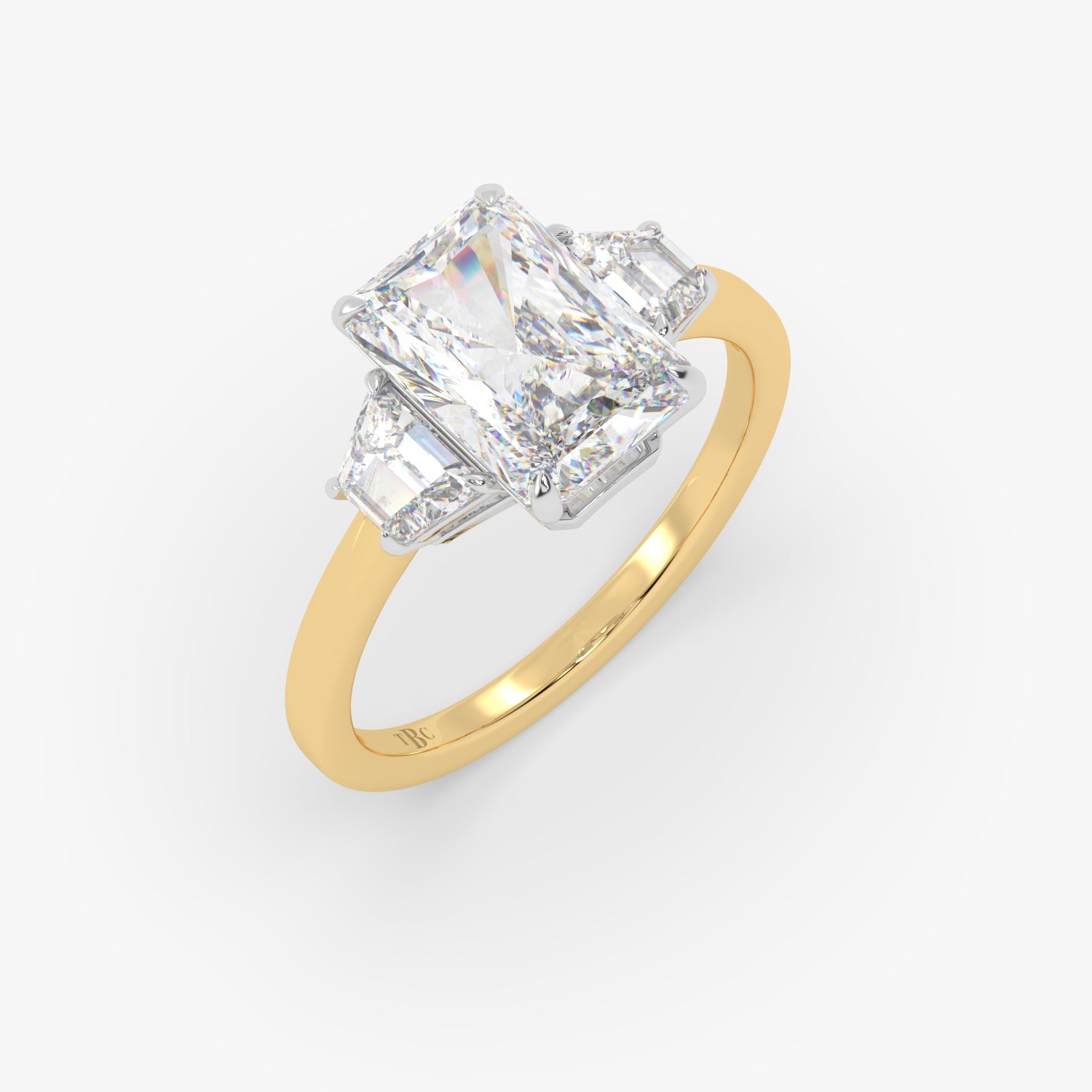
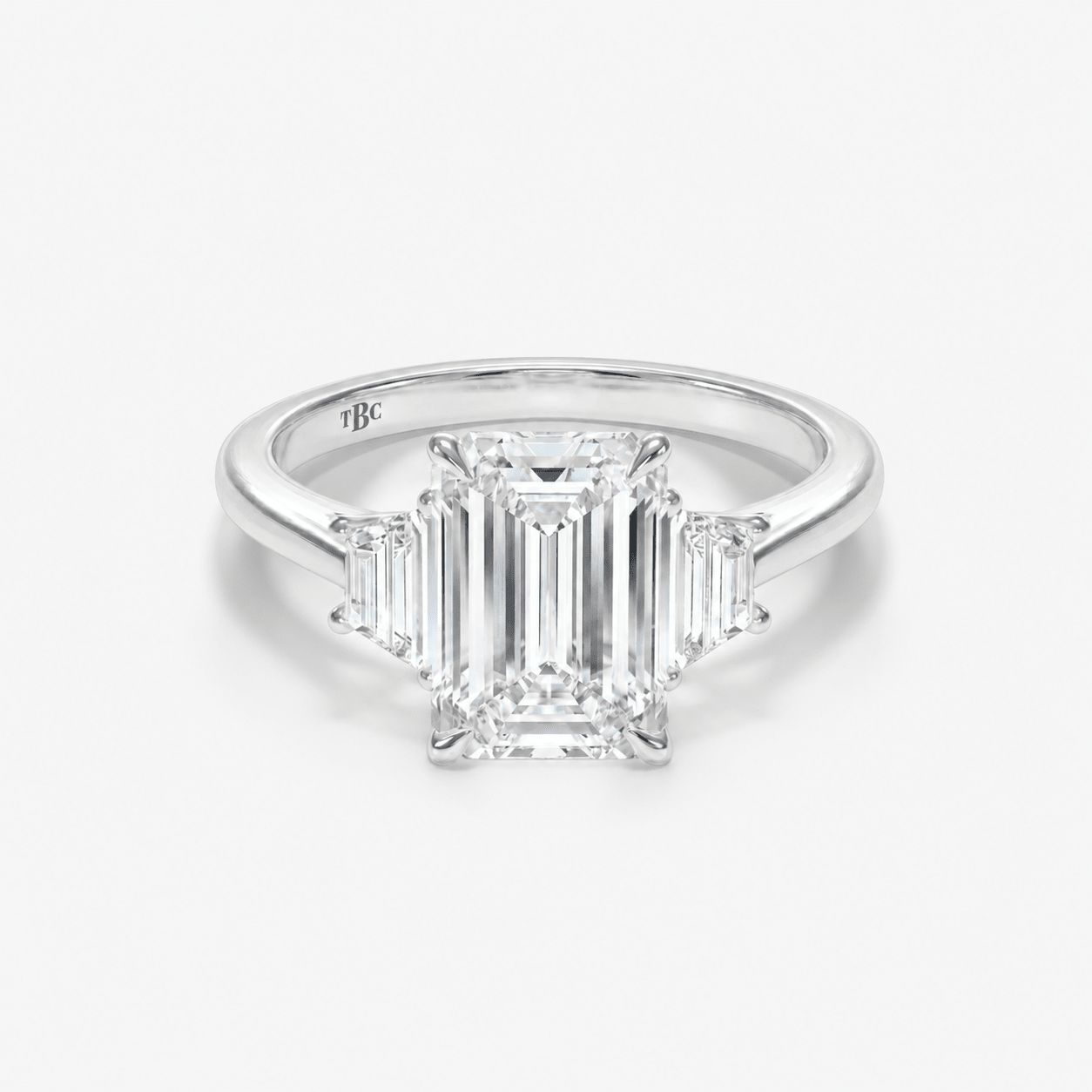
The term vintage in jewelry doesn't mean old: it means timeless. Vintage-style diamond engagement rings are characterized by their handcrafted finishes, intricate details, and a design that doesn't follow trends, but transcends them.
They are the perfect choice for those looking for a ring with personality, far from current minimalist designs and with an aesthetic that evokes the great moments in the history of jewelry.
What defines a vintage design
The features that distinguish a vintage engagement ring are:
Milgrain: the filigree of the edges, that finish of small metal beads that frames the diamond and the band.
Filigree: openwork metal designs that create delicate patterns on the sides of the setting.
Elaborate settings: bezels with decorated prongs, ornate baskets, or cathedral settings with sculpted details.
Pavé on the shoulders: small diamonds that run along the sides of the band with a brilliant and warm finish.
Period silhouette: proportions and shapes taken from periods such as Art Deco (1920s), Edwardian (1900s) or Victorian (1837-1901).
Vintage styles in our collection
Filigree and milgrain: the detail that changes everything
Milgrain is the hallmark of the vintage ring. That line of small metal beads bordering the main setting transforms any design into a period piece.
Filigree, on the other hand, adds a sculptural dimension to the design: the intertwined patterns on the sides of the mounting create a play of light and shadow that can only be achieved with manual work.
Art Deco inspired designs
The Art Deco of the 1920s remains one of the most imitated styles in engagement jewelry. Its features —clean geometry, perfect symmetry, and contrasts between metals— generate rings with a very strong visual presence.
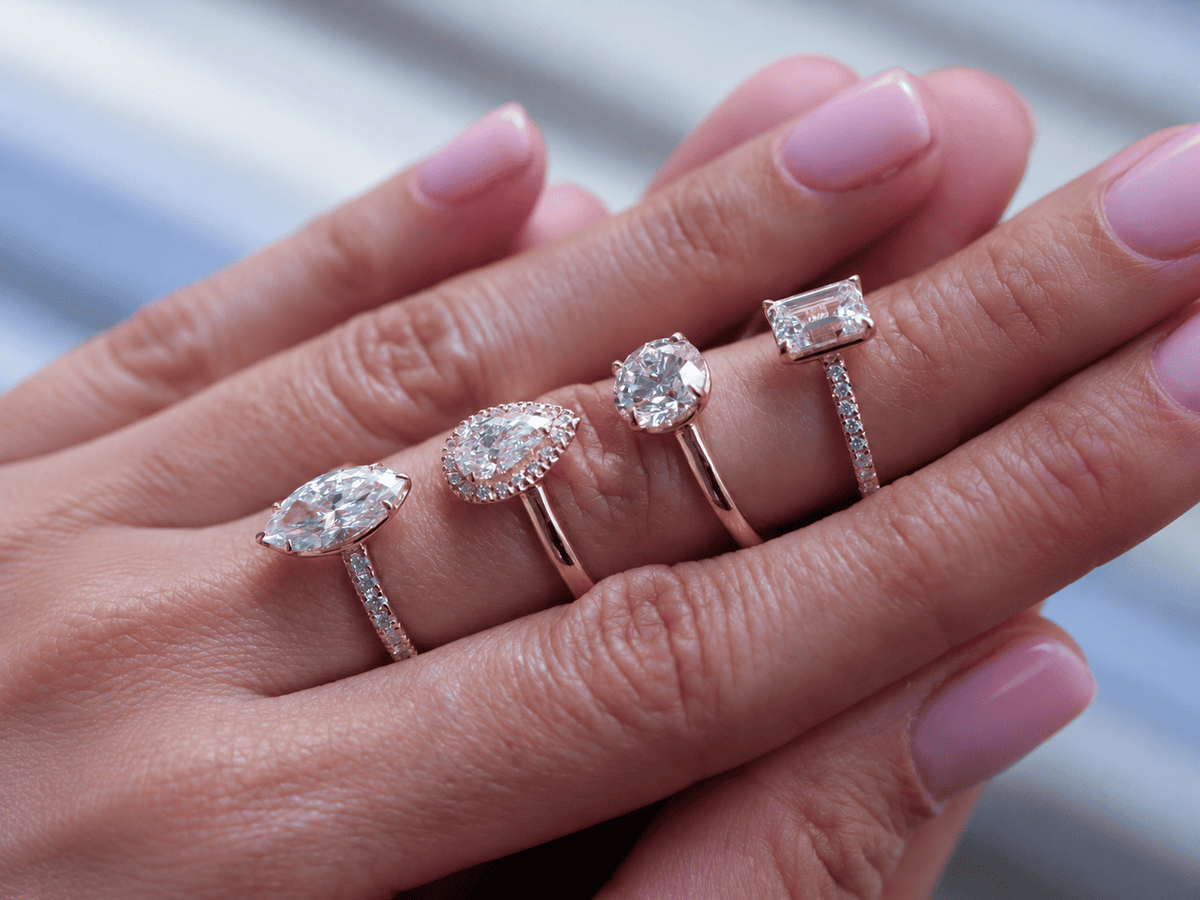
In our collection you will find pieces with the characteristic proportions and details of the period: angular settings, structured pavé and diamond shapes that fit perfectly into this aesthetic (emerald, cushion, marquise).
Pavé shoulders with a vintage soul
One of the most used resources in vintage rings is pavé on the shoulders: the sides of the band are covered with small diamonds that increase the overall brilliance of the ring and give it an exuberant look without losing elegance.
At The Bright Club, we combine this pavé with vintage-style settings to create pieces where each element reinforces the classic character of the design.
Diamond shapes for a vintage ring
The center stone defines the character of a vintage engagement ring. Some cuts naturally fit this aesthetic; others create interesting contrasts with the details of the setting.
Cushion cut: the most vintage of all
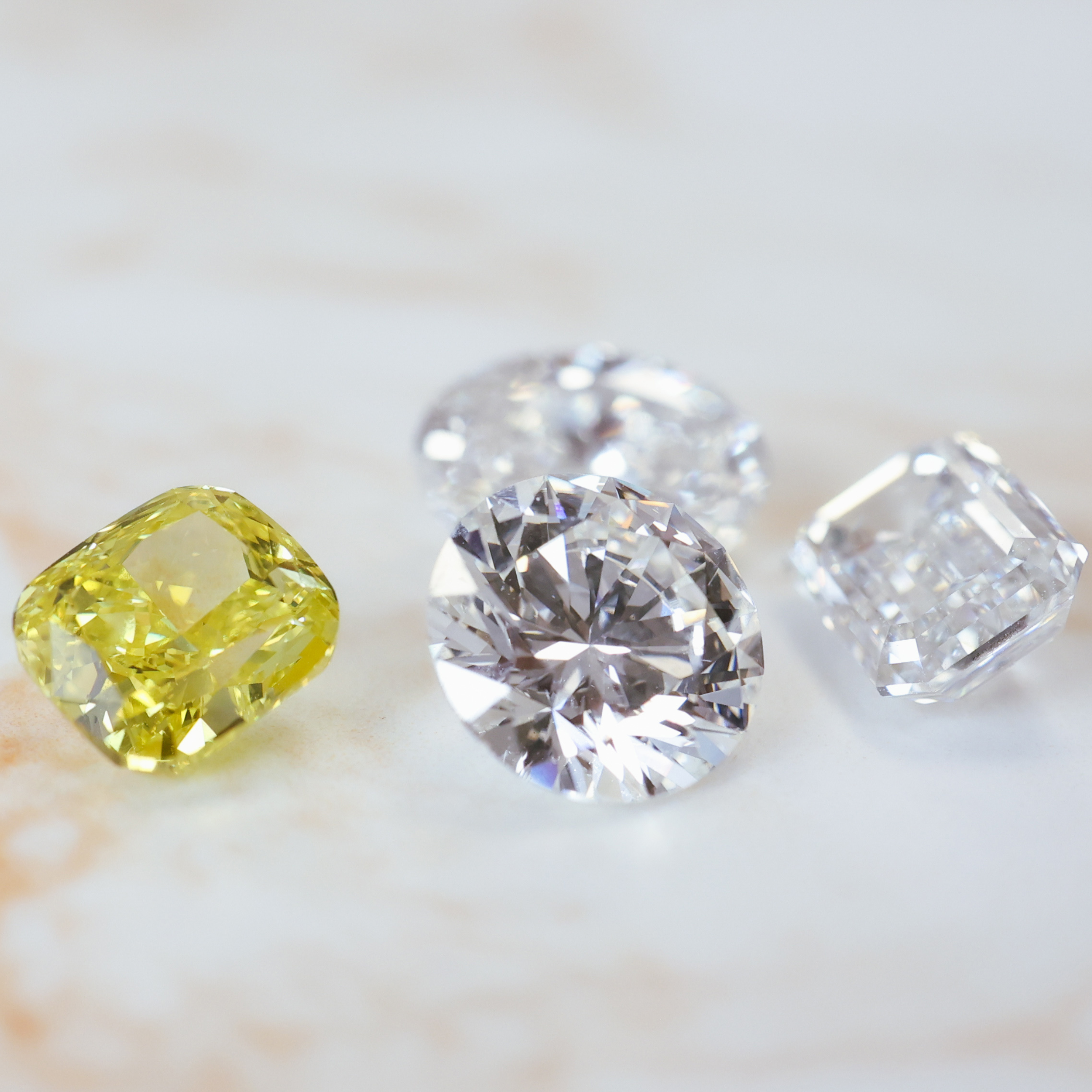
The cushion cut is, historically, one of the oldest diamond shapes. Its softly square outline with rounded corners and large facets directly evoke the hand-cut diamonds of the 18th and 19th centuries.
A cushion diamond mounted in a setting with milgrain or filigree is the most authentic combination that exists in vintage engagement jewelry.
Emerald cut: geometry with history
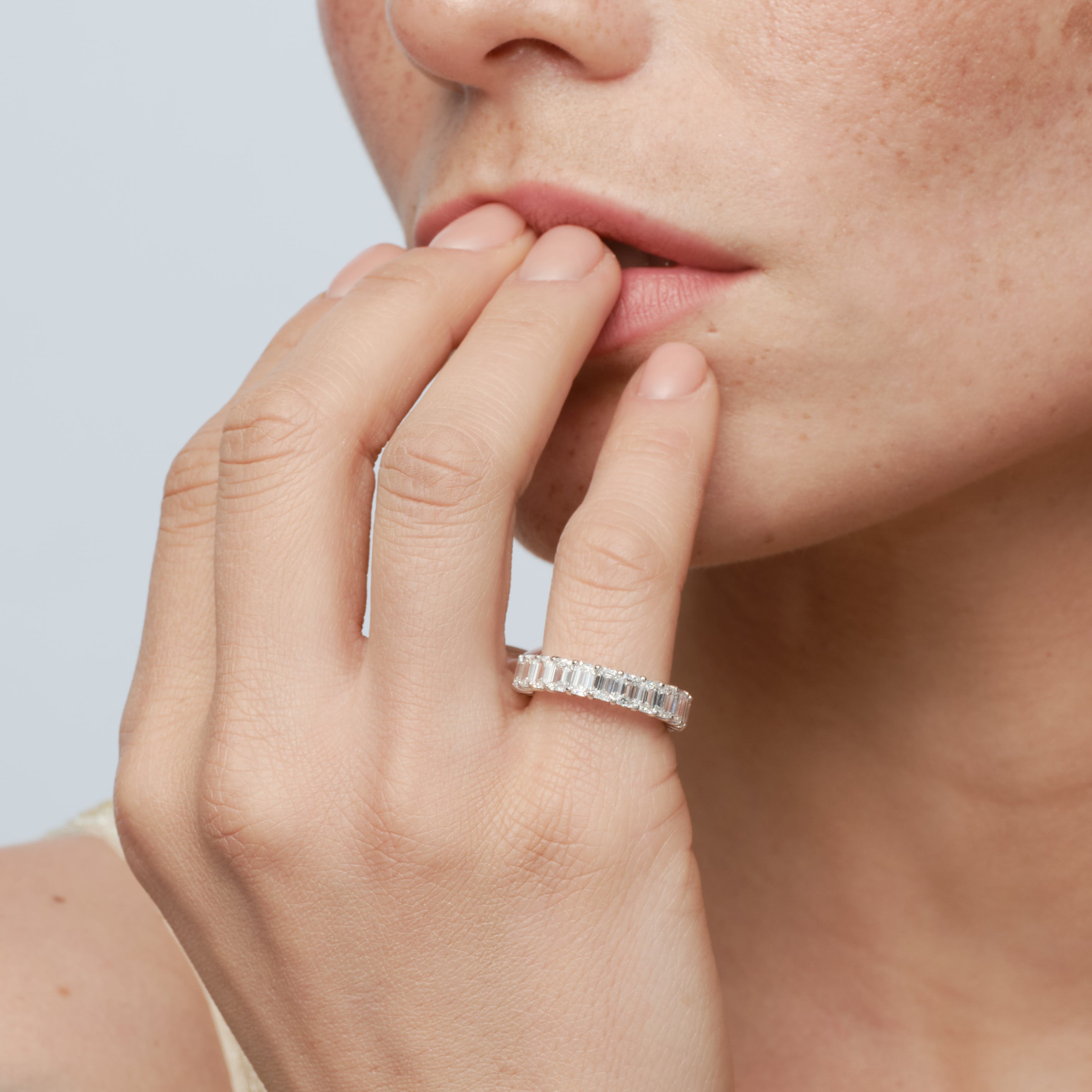
The emerald cut, with its long stepped facets and rectangular outline, is the most Art Deco of all cuts. Its clean and geometric architecture naturally complements the designs of the era: settings with defined angles, straight milgrain, and structured pavé.
A lab-grown emerald cut diamond in an Art Deco style ring is one of the most sophisticated combinations in our collection.
Round cut in a vintage setting
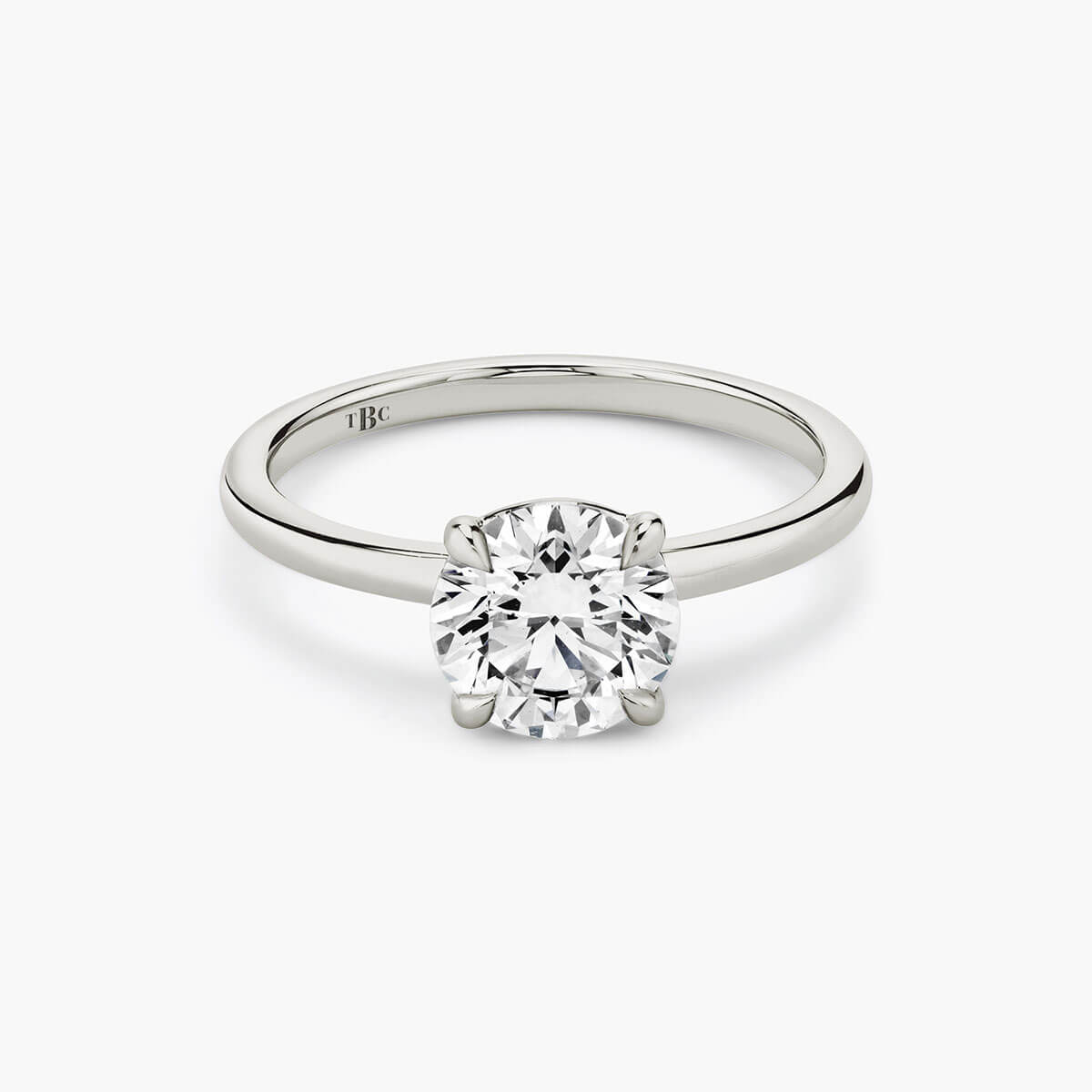
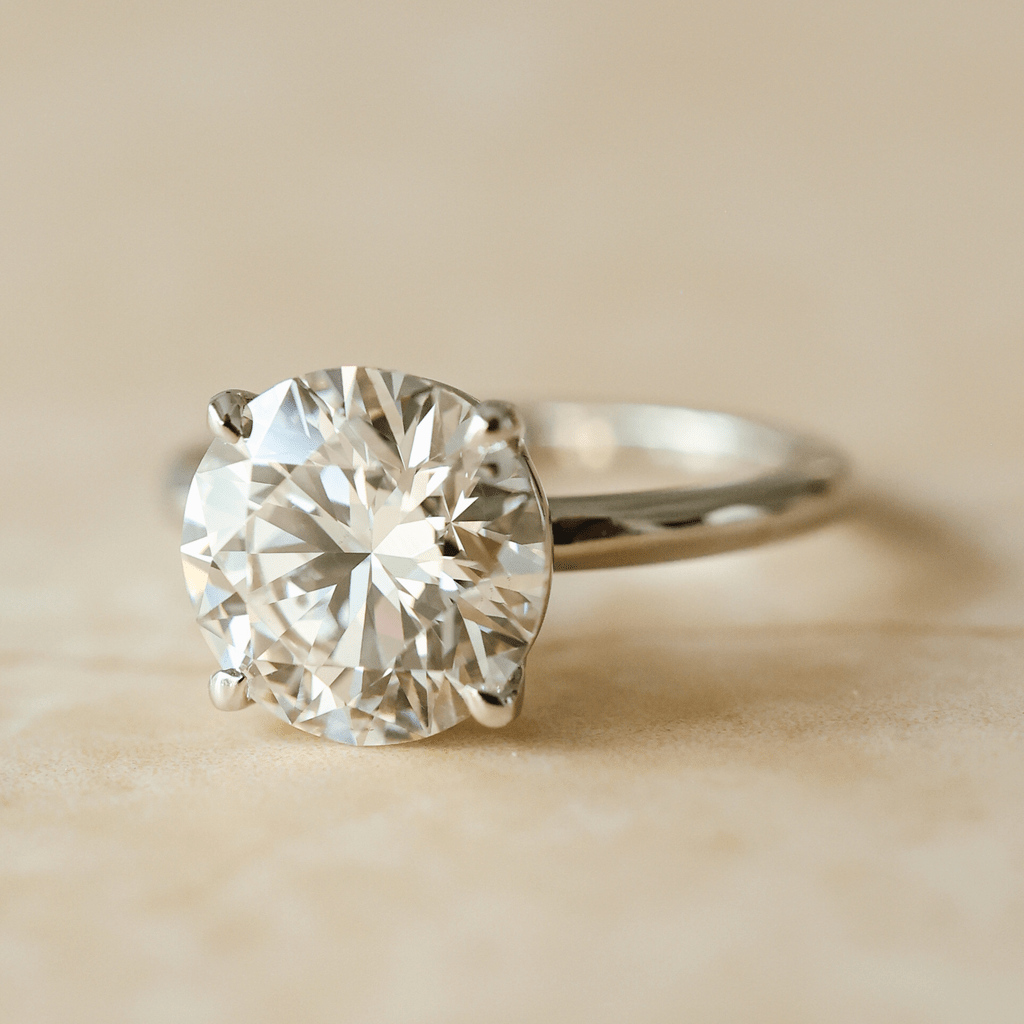
The round brilliant cut works equally well in a vintage context. When mounted in a setting with decorated prongs, a basket with filigree or perimeter milgrain, the round diamond acquires a period character that completely transforms it compared to a contemporary solitaire.
Vintage rings in white gold and yellow gold
White gold: timeless elegance
18-carat white gold is the most chosen metal for modern vintage rings. Its neutral tone makes the diamond the protagonist of the design, while the milgrain and filigree in white gold create a subtle contrast with the brilliance of the facets.
Platinum was the king metal of the Edwardian and Art Deco eras. 18k white gold is its contemporary equivalent, with excellent durability and more accessible maintenance.
Yellow gold: the metal of period rings
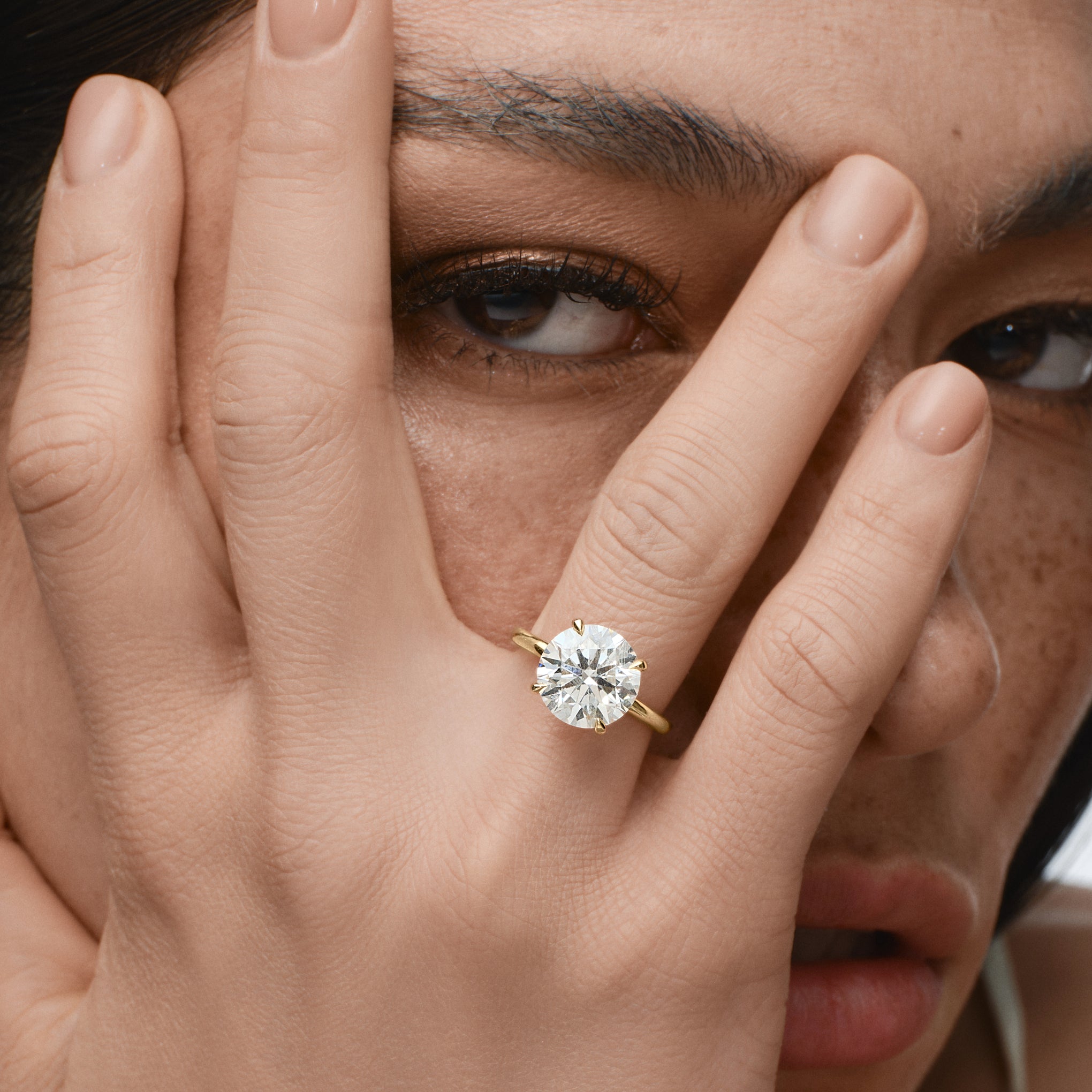
Yellow gold has something no other metal can replicate: warmth. Original Victorian and Georgian rings were mounted in yellow gold, and that combination —golden filigree, golden milgrain, white diamond— has an authenticity that no contemporary design can fake.
At The Bright Club, 18-carat yellow gold adds depth and character to every vintage design in our collection.
Why choose lab-grown diamonds in a vintage ring
A vintage engagement ring with a lab-grown diamond is the most coherent combination there is: a design inspired by the past, with the ethical and technological standards of the present.
Lab-grown diamonds are physically and chemically identical to mined diamonds. The difference lies in their origin: they are created in controlled environments using advanced technology, without mining and with a significantly lower carbon footprint.
At The Bright Club, all our diamonds are mounted in 18-carat gold by specialized artisans. The result is a vintage diamond engagement ring that has nothing to envy a period piece, but with all the guarantees of the 21st century.
Buying guide for your vintage ring
The diamond shape
For a vintage ring, the cuts with the most personality are cushion, emerald, and marquise. The round cut also works very well if the setting has enough detail. Avoid cuts with very modern edges (princess, angular radiant) if you are looking for a pure period aesthetic.
The metal
White gold if you are looking for a cleaner and more timeless aesthetic. Yellow gold if you want historical authenticity and warmth. Both are available in 18 carats in our collection.
The level of detail of the design
Vintage rings range from the most subtle —a solitaire with a simple milgrain on the edge— to the most elaborate —with full filigree, pavé on the shoulders and an ornate cathedral setting—. The more detail, the more prominence the design has over the diamond.
The carat weight
In a vintage ring, the setting tends to have its own visual presence, so a large diamond is not essential. A 0.5 ct to 1 ct diamond in a well-crafted setting has a much greater visual impact than the same diamond in a minimalist solitaire.


 Solitaire
 Hello
Hello
 Paved
Paved
 You and I
 Bezel/Setting
 Vintage
 Three diamonds
 Diamond eternity band
 Other Gems
 Round
Round
 Emerald
 Oval
Oval
 Pear
Pear
 Marquess
 Cushion
 Radiant
 18k White Gold
 18K Yellow Gold
 18K Rose Gold
 18k Yellow Gold and White Gold