

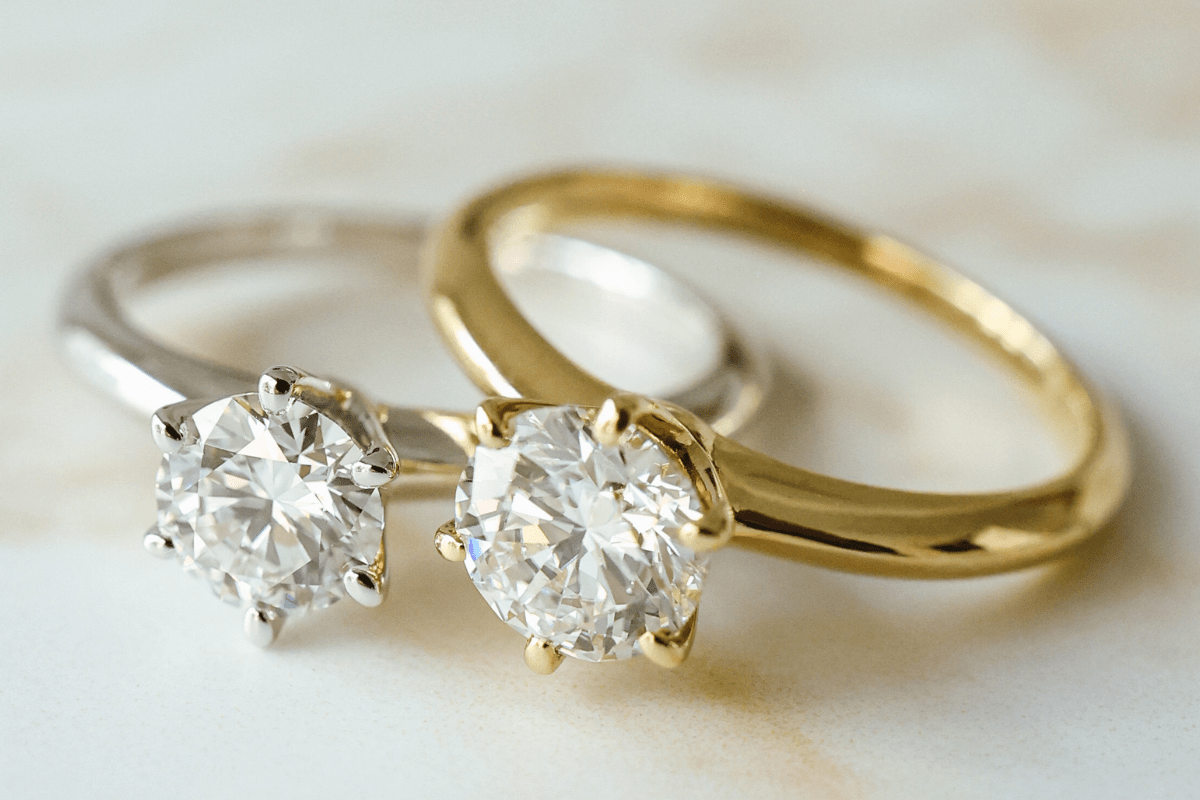
 Solitaire
 Hello
Hello
 Paved
Paved
 You and I
 Bezel/Setting
 Vintage
 Three diamonds
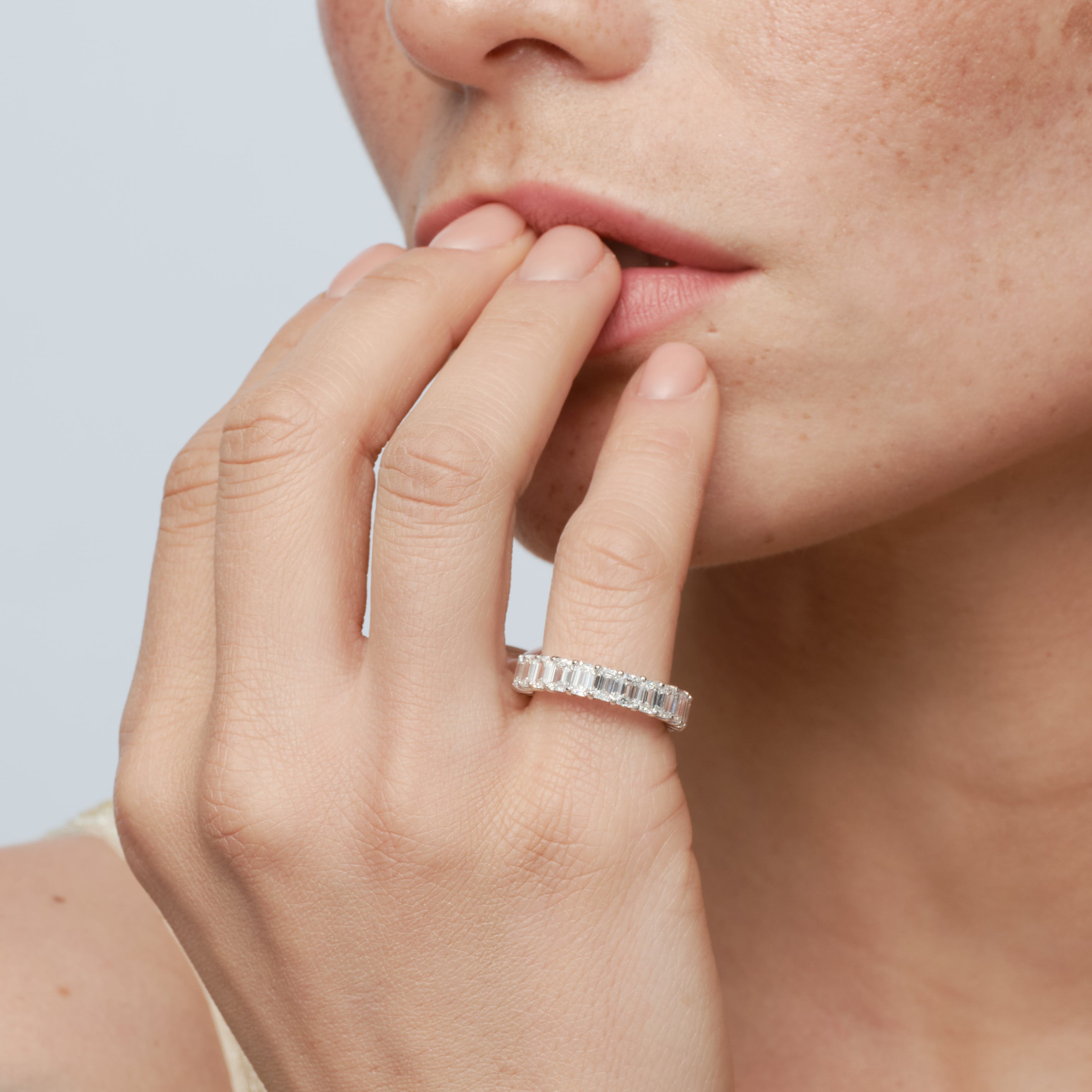
 Diamond eternity band
 Other Gems
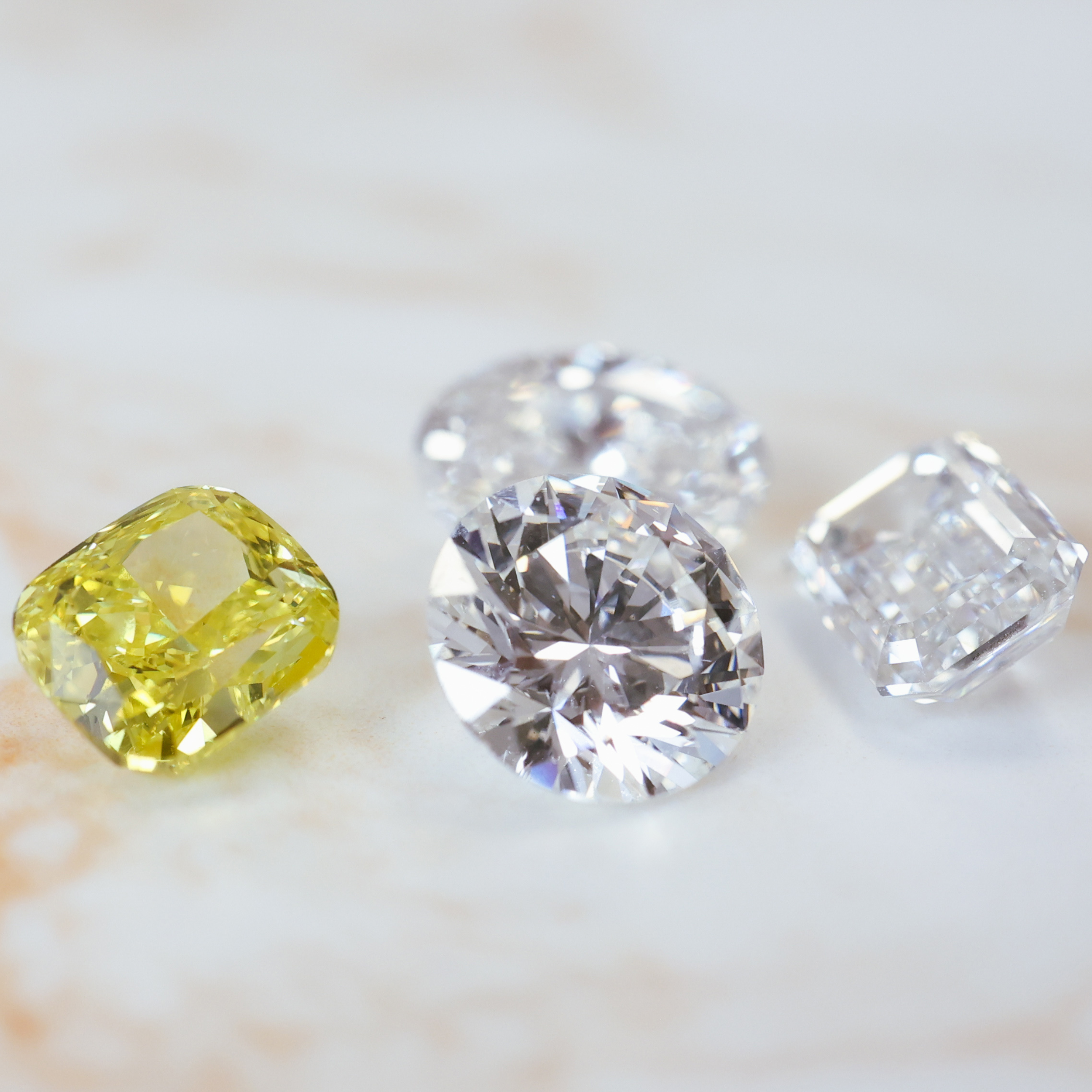
 Round
Round
 Emerald
 Oval
Oval
 Pear
Pear
 Marquess
 Cushion
 Radiant
 18k White Gold
 18K Yellow Gold
 18K Rose Gold
 18k Yellow Gold and White Gold

Frequent questions about ring sizes
Yes, the sizing system is the same. The difference is that men usually need larger sizes because their fingers are thicker. In Spain, the average size for women is between 12 and 14, and for men between 20 and 22.
Yes. Place the ring on a ruler and measure the inside diameter from one end to the other, through the center. The measurement in millimeters indicates the diameter, which you can then check directly against the conversion table.
Once we reach adulthood and stop growing, we will always maintain the same size. Fingers do not usually get fatter or thinner unless there is a significant change in weight. If we lose a lot of weight, we can always take the ring to a jeweler to have it resized.
If your measurement falls between two sizes, it is recommended to choose the larger size, especially if your hands tend to swell.
In most cases, yes. A jeweler can resize your ring up or down. However, there are exceptions: eternity rings with diamonds all the way around the band are virtually impossible to resize without altering the design. Therefore, in these cases, measuring with the utmost precision is especially important.
The safest option is to measure the diameter of a ring that already fits the person well on that finger. If you don't have a reference, choose the approximate average size for their gender and make sure the store offers free size exchange.
In Spain, sizes 8, 10, 12, 14, 16 and 18 are found in the Spanish interpretation, but in Europe, the equivalents 48, 50, 52, 54, 56, 58 and 60 are used respectively. Both refer to the same physical size, simply with different numbering.
The fingers on one hand can have different ring sizes than the same fingers on the other hand. That is, the left ring finger may not have the same measurement as the right ring finger. Always measure the specific finger on which you will wear the ring.
Learn more
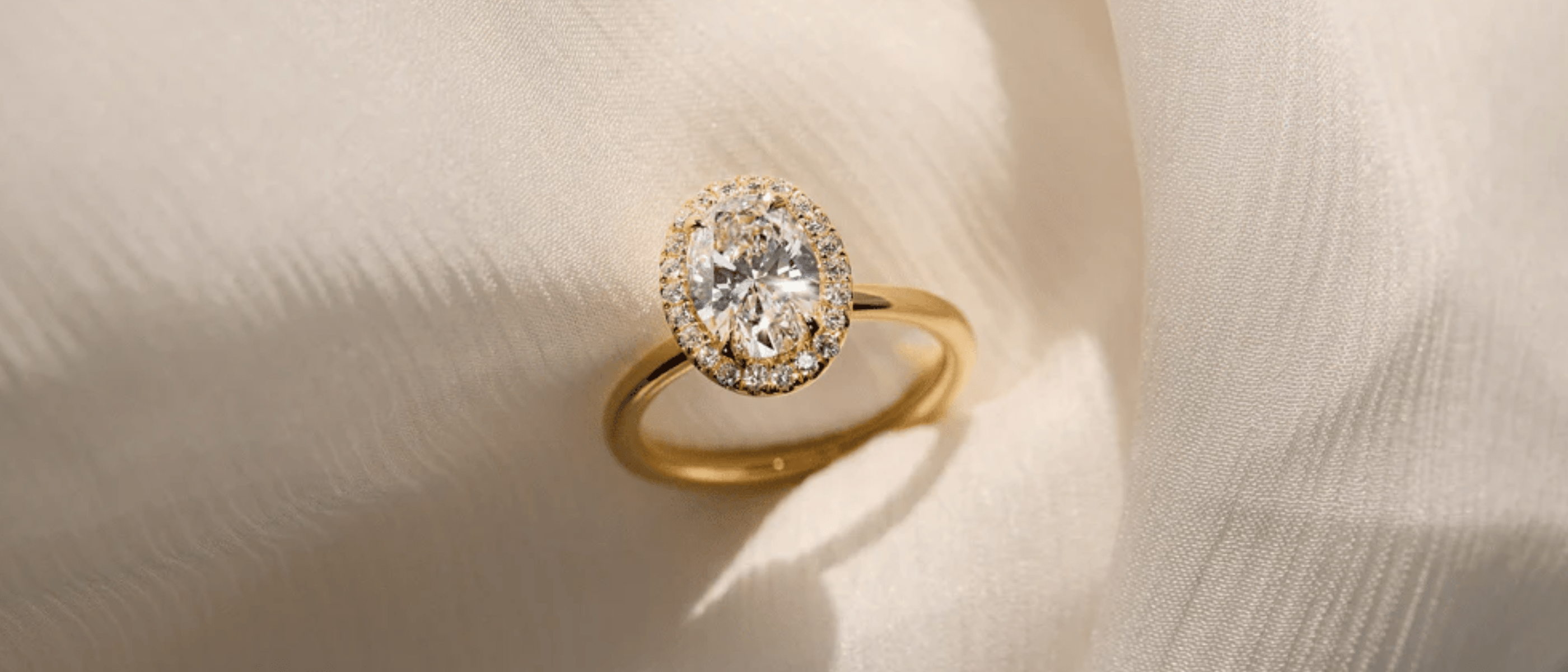
How to Budget for an Engagement Ring
For most people, buying an engagement ring is the most significant jewelry purchase of their lives. And also one of the most uninformed. There's a lot of romanticism surrounding that moment, but li...
Read more
On which hand do you wear the engagement ring: the definitive guide
Quick answer: In Spain, the engagement ring is worn on the ring finger of the right hand. On the wedding day, it is moved to the left hand, and the wedding band occupies the right hand. There are e...
Read more
